
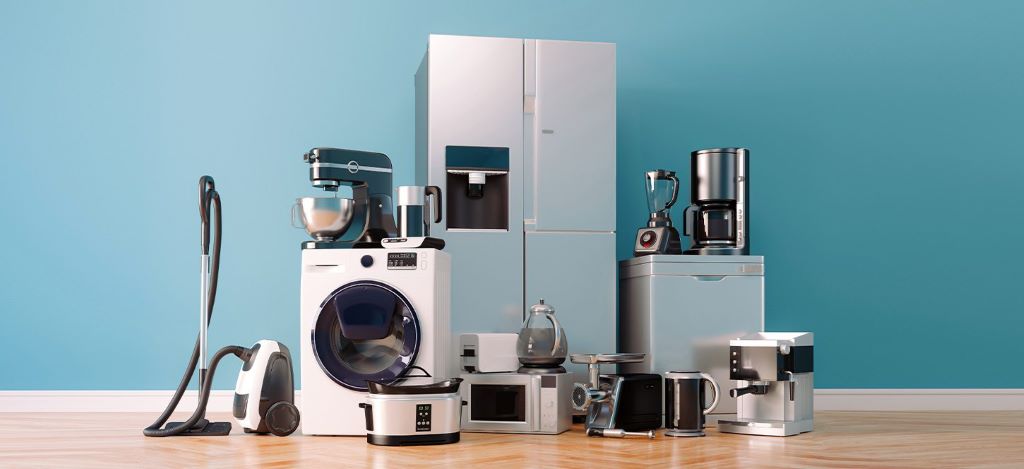
The average American household replaces major appliances every 8 to 10 years, but what if you could extend that lifespan to 15 or even 20 years? The secret isn’t luck—it’s strategy. In 2026, with inflation driving appliance prices up by 25% since 2020, choosing durable home appliances isn’t just smart—it’s a financial necessity. A high-quality refrigerator or washing machine can save you thousands over its lifetime, while a poorly chosen one becomes a money pit of repairs and replacements.
This isn’t just about picking the shiniest model or the one with the most features. It’s about understanding what separates appliances that last from those that fail prematurely. From hidden manufacturing details to often-overlooked certifications, this appliance buying guide reveals how to spot long-lasting appliances that deliver performance for decades. You’ll learn how to decode spec sheets, what brands truly stand behind their products, and which features actually extend lifespan rather than just adding to the price tag. Whether you’re outfitting a new home or replacing aging units, these insights will help you invest wisely in appliances that work as hard as you do for years to come.
The Hidden Costs of Cheap Appliances: Why Durability Pays Off
Every appliance purchase is a long-term investment, yet many shoppers focus solely on upfront cost. The reality? A $600 refrigerator that lasts 6 years costs you $100 per year, while an $1,800 model that runs for 18 years drops to just $100 per year—and likely saves on energy and repairs. Over time, durability wins.
The repair industry thrives on poorly made appliances. Homeowners spend an average of $300 per year on appliance repairs, with 40% of those issues occurring within the first five years of ownership. Brands like Whirlpool and Bosch report that their premium lines require 60% fewer service calls than budget models. The message is clear: Pay now for quality, or pay later for repairs.
Energy efficiency also ties directly to durability. Appliances lose efficiency as they age, with poorly constructed models degrading faster. An ENERGY STAR-certified washer might cost $200 more upfront but saves $1,200 in energy costs over 10 years. Always calculate total cost of ownership, not just purchase price.
5 Non-Negotiable Features of Long-Lasting Appliances
1. Commercial-Grade Components in Consumer Models
Look for appliances using commercial-grade parts adapted for home use. Stainless steel interiors in refrigerators resist corrosion better than plastic. Inverted motors in washing machines reduce wear and tear. Brands like Speed Queen and Miele build their consumer models with commercial-grade compressors and bearings that last 2-3x longer than standard components.
Pro tip: Check for full metal frames in dishwashers and ovens. Plastic frames warp over time, while stainless steel maintains structural integrity for decades.
2. Serviceability and Part Availability
The most durable appliances are those you can actually fix. Look for brands with:
- 10+ year part availability guarantees
- Modular designs where components can be replaced individually
- Service networks with certified technicians
LG and Samsung now offer 20-year part availability for their premium lines, while brands like Sub-Zero provide lifetime warranties on certain components. Always verify part availability before purchasing—some brands discontinue support after just 5 years.
3. Advanced Corrosion Protection
Humidity and cleaning chemicals destroy appliances from the inside out. Premium models feature:
- Zinc-coated steel in refrigerator coils
- Ceramic-enamel interiors in ovens
- Stainless steel drum in washing machines
Whirlpool’s “NoRust” technology and GE’s “NeverRust” stainless steel tubs demonstrate how proper materials prevent premature failure. Avoid models with painted metal interiors—they chip and corrode quickly.
4. Smart Diagnostics and Self-Repair
Modern appliances with diagnostic systems can prevent minor issues from becoming major failures. Look for:
- Error code systems that pinpoint problems
- Self-cleaning cycles that maintain performance
- Remote monitoring capabilities
Bosch’s Home Connect and Samsung’s SmartThings apps now offer predictive maintenance alerts. These systems can extend appliance life by catching issues early.
5. Energy Efficiency That Preserves Components
Appliances that run more efficiently put less strain on their components. Look for:
- Inverter compressors in refrigerators (run continuously at lower power)
- Induction cooktops (more durable than gas or electric coil)
- Heat pump dryers (gentler on clothes and mechanisms)
ENERGY STAR Most Efficient models often use 20-30% less energy, which reduces wear and tear on motors and electrical systems.
How to Spot Durable Home Appliances: The Buyer’s Checklist
Step 1: Research Brand Reputation for Longevity
Not all brands prioritize durability equally. Based on consumer reports and repair technician surveys, these brands consistently rank highest for long-term reliability:
- Refrigerators: Sub-Zero, LG (with Linear Compressor), Whirlpool
- Washing Machines: Speed Queen, Miele, LG
- Dishwashers: Bosch, Miele, KitchenAid
- Ranges: Wolf, Viking, GE Profile
Avoid brands with frequent complaints about:
- Plastic components failing
- Electronic control board issues
- Poor customer service for repairs
Step 2: Decode the Spec Sheet Like a Pro
Manufacturers hide durability clues in technical specifications. Look for:
- “Commercial-grade” or “heavy-duty” in descriptions
- Stainless steel or aluminum construction
- Brushless or inverter motors
- 10+ year warranties on major components
Example: A dishwasher with a stainless steel tub and ball-bearing motor will outlast one with plastic tub and belt drive by years.
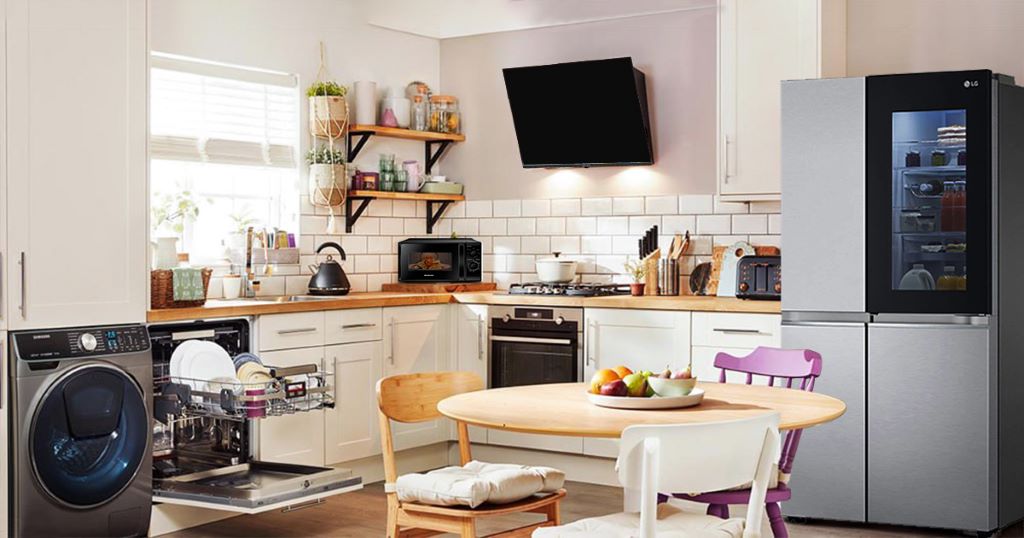
Step 3: Examine Construction Quality Firsthand
When possible, inspect appliances in person. Check for:
- Weight: Heavier appliances generally use better materials
- Door seals: Should be magnetic and replaceable
- Hinges: Metal hinges last longer than plastic
- Control panels: Physical knobs often outlast touchscreens
In washing machines, look for direct-drive motors (no belts to replace) and stainless steel drums. In refrigerators, check for copper or aluminum coils instead of aluminum-clad steel.
Step 4: Verify Warranty and Service Support
A true mark of durable home appliances is the warranty. Premium brands offer:
- 5-10 year warranties on major components
- Lifetime warranties on specific parts (like Sub-Zero’s compressor warranty)
- In-home service within 48 hours
Avoid brands with:
- Limited 1-year warranties
- Mail-in or depot service requirements
- Exclusions for “normal wear and tear”
Step 5: Read Between the Lines of Reviews
Look for reviews from long-term owners (3+ years). Pay attention to:
- “Still works perfectly after 5 years” comments
- Complaints about specific components failing
- Mentions of repair frequency and costs
Example: Speed Queen washing machines consistently receive praise for 15+ year lifespans with minimal repairs.
Step 6: Consider Total Cost of Ownership
Calculate:
- Purchase price
- Estimated energy costs (use ENERGY STAR calculator)
- Expected repair costs (check Consumer Reports reliability ratings)
- Estimated lifespan
A $1,500 Miele washing machine might cost $1,200 more than a basic model, but if it lasts 20 years versus 7, the cost per year drops from $214 to just $75.
Step 7: Buy From Reputable Retailers With Good Return Policies
Purchase from retailers that:
- Offer extended return windows (30+ days)
- Provide installation and haul-away services
- Have certified technicians for repairs
Costco, Best Buy, and local appliance specialists often provide better long-term support than big-box stores.
The Most Durable Appliances by Category: Expert Picks
Refrigerators That Last 20+ Years
- Sub-Zero BI-36U: Dual compressors, stainless steel interior, 20-year sealed system warranty
- LG LRMVC2306S: Linear compressor, smart diagnostics, 10-year warranty
- Whirlpool WRX735SDHZ: Adaptive defrost, commercial-grade components
Washing Machines Built for Decades
- Speed Queen TR7: Commercial-grade motor, stainless steel tub, 10-year warranty
- Miele W1: Honeycomb drum, 20-year motor warranty, self-cleaning
- LG WT7300CW: Direct-drive motor, smart diagnostics, 10-year warranty
Dishwashers That Keep Running
- Bosch 800 Series: Stainless steel tub, commercial-grade pump, 24/7 AquaStop leak protection
- Miele G7000: 10-year motor warranty, auto-dosing system, commercial build
- KitchenAid KDTE334GPS: Stainless steel interior, ProWash cycle, 5-year warranty
Ranges and Ovens for the Long Haul
- Wolf DF304: Dual-stacked burners, commercial-grade construction
- Viking VGIC536: All-metal construction, 5-year warranty
- GE Profile PB960: Induction cooktop, air fryer convection, 5-year warranty
HVAC Systems That Endure
- Trane XV18: Variable-speed compressor, 12-year warranty
- Carrier Infinity 26: Greenspeed intelligence, 10-year parts warranty
- Lennox SL280V: Precision temperature control, 10-year limited warranty
Common Mistakes That Shorten Appliance Lifespans
Mistake 1: Ignoring Maintenance Requirements
Even the best appliances need care. Common oversights:
- Not cleaning refrigerator coils (reduces efficiency by 30%)
- Overloading washing machines (stresses motors and bearings)
- Using harsh cleaners on stainless steel (causes pitting and corrosion)
Mistake 2: Choosing Style Over Substance
Glass-front refrigerators look sleek but show fingerprints and scratch easily. Touchscreen controls fail more often than physical knobs. Prioritize function over form for long-term durability.
Mistake 3: Skipping Professional Installation
Improper installation voids warranties and causes premature failure. Always:
- Use certified installers for gas appliances
- Ensure proper leveling for washing machines
- Verify electrical requirements for ranges
Mistake 4: Buying Based on Features Alone
Ice makers, smart connectivity, and specialty cycles add cost and complexity. Focus first on core performance and durability, then consider extras.
Mistake 5: Overlooking Water Quality
Hard water destroys appliances quickly. Install water softeners if your water has high mineral content. Use filtered water in coffee makers and ice machines.
Mistake 6: Ignoring Energy Efficiency Ratings
Appliances that work harder consume more energy and wear out faster. Always choose ENERGY STAR Most Efficient models when available.
Mistake 7: Not Planning for Future Repairs
Even durable appliances need occasional maintenance. Before purchasing:
- Check local repair technician availability
- Verify part availability for 10+ years
- Consider extended warranty options
Expert Tips for Maximizing Appliance Lifespan
Tip 1: Follow the Manufacturer’s Maintenance Schedule
Most brands provide specific care instructions. For example:
- Clean refrigerator coils every 6 months
- Run washing machine cleaner monthly
- Inspect dishwasher spray arms quarterly
Tip 2: Use Appliances as Intended
- Don’t overload washing machines
- Avoid slamming oven doors
- Use proper cookware on induction cooktops
Tip 3: Invest in Water Filtration
Hard water and impurities damage appliances. Install whole-home filtration or use appliance-specific filters.
Tip 4: Perform Regular Calibrations
- Relevel washing machines annually
- Calibrate oven temperatures every 6 months
- Check refrigerator door seals quarterly
Tip 5: Keep Original Manuals and Documentation
Store manuals digitally for easy reference. Note model numbers, serial numbers, and purchase dates for warranty claims.
Tip 6: Learn Basic Troubleshooting
Many “broken” appliances just need simple fixes:
- Resetting circuit breakers
- Cleaning clogged filters
- Replacing worn gaskets
Tip 7: Build Relationships With Local Repair Tech
Find a trusted technician before you need one. Ask for:
- Preventative maintenance visits
- Priority service agreements
- Discounts for regular customers
Related Topics
1. How to buy a new refrigerator, good and inexpensive guide
FAQs About Choosing Durable Home Appliances
1. How long should a quality appliance last?
With proper care, expect:
- Refrigerators: 15-20 years
- Washing machines: 10-15 years
- Dishwashers: 10-13 years
- Ranges/ovens: 15-20 years
- HVAC systems: 15-25 years
2. Are extended warranties worth it?
For premium appliances, yes. Look for warranties that:
- Cover parts AND labor
- Offer in-home service
- Last 5+ years
3. What’s the best time of year to buy appliances?
- September-October: New models arrive, old stock gets discounted
- Black Friday: Deep discounts on current models
- January-February: Clearance of previous year’s models
4. Should I buy refurbished appliances?
Only if:
- Sold by authorized dealers
- Come with at least 1-year warranty
- Have been professionally refurbished (not just cosmetically fixed)
5. How do I verify an appliance’s durability before buying?
- Check Consumer Reports reliability ratings
- Read long-term owner reviews (3+ years)
- Inspect construction quality in person
- Verify warranty terms and part availability
6. What’s more important: brand reputation or specific model features?
Brand reputation matters more for long-term reliability. A trusted brand’s mid-range model often outlasts a no-name brand’s “premium” appliance.
7. How can I future-proof my appliance purchases?
- Choose modular designs that allow component upgrades
- Select brands with strong R&D investment
- Prioritize energy efficiency (future regulations may phase out less efficient models)
- Consider smart appliances with updateable firmware
Conclusion: Invest Once, Enjoy for Decades
Choosing durable home appliances isn’t about spending more—it’s about spending smarter. The most satisfied homeowners aren’t those with the fanciest features, but those whose appliances keep running year after year with minimal hassle. By focusing on construction quality, serviceability, and proven brands, you can create a home that works efficiently for decades.
Your action plan:
- Audit your current appliances for potential upgrades
- Research 2-3 brands known for longevity in each category
- Visit showrooms to inspect construction quality firsthand
- Calculate total cost of ownership for your top choices
Ready to make appliances your last big purchase for the next decade? Start with one category—perhaps your refrigerator or washing machine—and apply these principles to make a choice you’ll be happy with for years to come. Your future self (and your wallet) will thank you.
Featured Image Source


