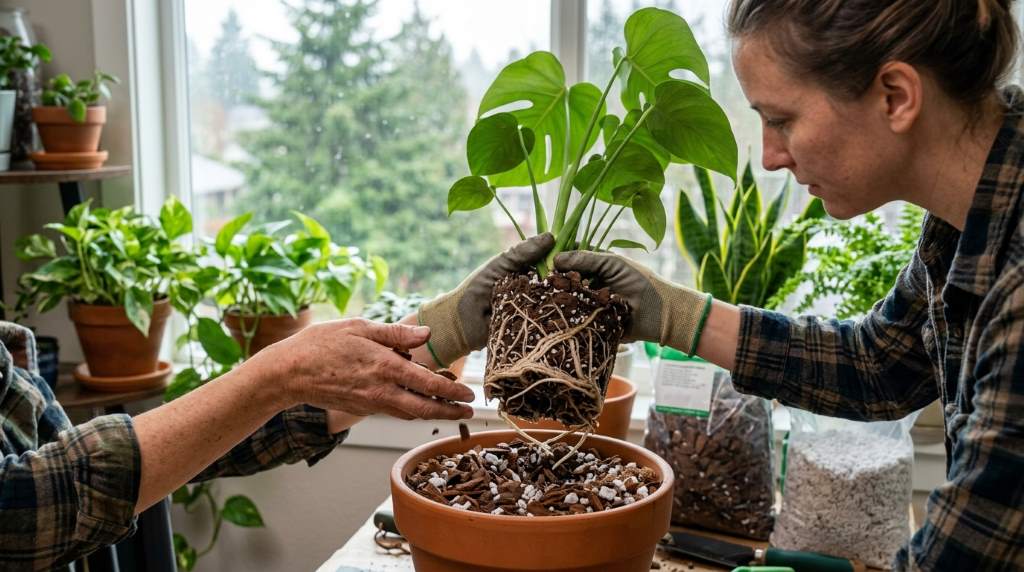
Seattle growers understand how local weather affects indoor plants throughout the year. The city receives around 37 inches of rain annually, and humidity levels often stay high for long periods. Because of this, many plant owners struggle with soggy roots and slow plant growth indoors. As a result, more people now choose airy soil blends that improve drainage and airflow for healthy roots. Many indoor gardeners also explore guides about chunky potting mix for houseplants to build better soil for tropical plants. These mixes help plants survive Seattle’s damp climate while supporting faster growth and stronger root systems.
Understanding Airy Potting Mix
Airy potting mix contains larger particles that create open spaces around roots. These gaps allow water to drain quickly while still holding enough moisture for healthy growth. Most growers use ingredients like orchid bark, pumice, coco coir, and perlite in the blend. Unlike dense soil, airy mixes prevent roots from sitting in water for long periods.
Seattle houseplant growers often deal with lower sunlight during fall and winter months. Since plants dry more slowly in darker conditions, compact soil can become dangerous for root health. However, airy potting mixes reduce excess moisture buildup and improve oxygen circulation. Therefore, plants stay healthier even during long rainy seasons.
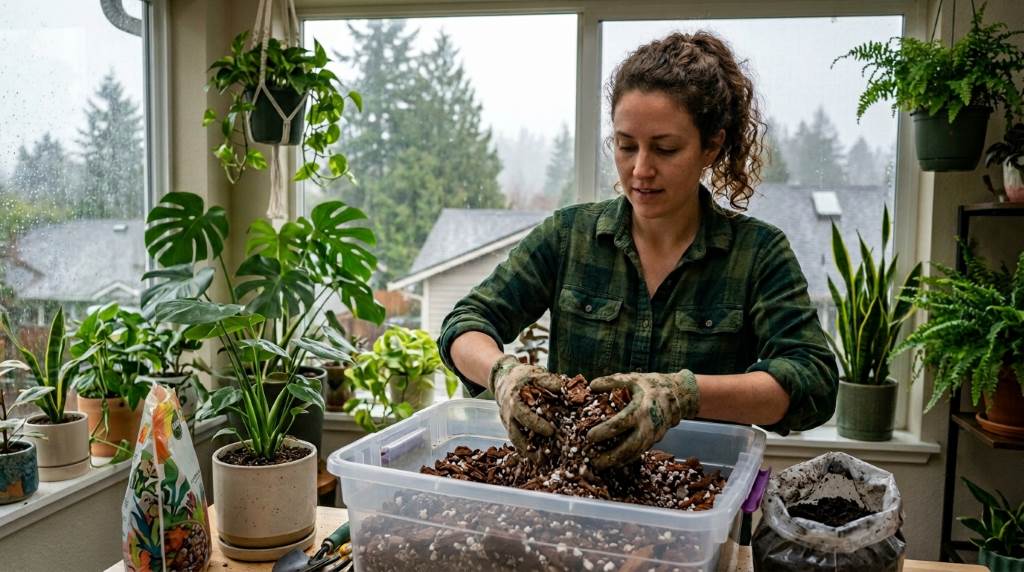
Many tropical houseplants naturally grow in loose forest material instead of heavy garden soil. Monsteras, philodendrons, pothos, and anthuriums all prefer roots with plenty of airflow. Airy soil closely mimics those natural growing conditions indoors. Consequently, Seattle growers see stronger leaves and more consistent growth.
Why Seattle’s Climate Impacts Houseplant Soil
High Rainfall Creates Indoor Moisture Problems
Seattle weather stays cool and wet for much of the year. Even inside homes, moisture levels can remain high because of constant rain outside. Dense soil traps water longer under these conditions and increases the risk of root rot. Therefore, growers need soil that dries at a balanced pace.
Many apartment growers also keep windows closed during colder months. Limited airflow inside homes slows evaporation from pots and containers. As a result, waterlogged soil becomes a common issue for beginners. Airy potting mixes solve this problem by improving internal drainage.
Lower Winter Light Slows Soil Drying
Seattle experiences shorter daylight hours during winter. Indoor plants receive less direct sunlight, especially in north-facing apartments and homes. When plants grow slowly, they use less water from the soil. Consequently, compact mixes stay wet for too long.
Airy mixes help balance moisture even when plants drink less water. Large particles create air pockets that allow quicker drying between watering sessions. Because of this, growers reduce the chance of fungal diseases and root damage. Plants also adapt better to seasonal changes indoors.
Benefits of Airy Potting Mix for Houseplants
Better Root Oxygen Levels
Roots need oxygen to stay healthy and absorb nutrients properly. Dense soil blocks airflow and creates stress around the root system over time. Airy potting mixes allow oxygen to move freely throughout the container. Therefore, roots grow stronger and healthier.
Healthy roots directly improve leaf growth and plant stability. Seattle growers often notice faster recovery after repotting when using airy soil blends. In addition, plants become more resistant to environmental stress indoors. This makes maintenance easier throughout the year.
Reduced Risk of Root Rot
Root rot remains one of the most common houseplant problems in Seattle homes. Excess water trapped around roots encourages harmful bacteria and fungal growth. However, airy soil helps extra moisture escape before damage occurs. Consequently, plants stay healthier even in humid environments.
Many tropical plants show early signs of stress in compact soil. Yellow leaves, drooping stems, and foul smells often point to drainage issues. Airy mixes reduce these risks significantly by improving water movement. Therefore, growers spend less time dealing with emergency plant care.
Easier Watering Management
Seattle plant owners often struggle to find the right watering schedule. Traditional potting soil behaves differently depending on weather, light, and indoor humidity. Airy mixes create more predictable drying patterns inside containers. As a result, growers can water plants more confidently.
These blends also reduce the fear of accidental overwatering. Water flows through the mix evenly without compacting the root zone. Furthermore, roots remain hydrated without becoming suffocated. This balance supports healthier long-term growth indoors.
Common Ingredients in Airy Potting Mix
Orchid Bark
Orchid bark adds structure and airflow to the soil blend. The chunky texture prevents compaction while helping water move evenly through the pot. Seattle growers frequently use fir bark because it performs well in damp climates. Additionally, bark slowly breaks down and improves soil texture over time.
Perlite
Perlite is a lightweight volcanic material that increases drainage. It keeps the mix airy while reducing excess water retention around roots. Many growers combine perlite with bark for tropical houseplants. Consequently, the soil stays loose and breathable.
Pumice
Pumice works similarly to perlite but lasts longer in soil blends. It holds some moisture while still maintaining airflow around roots. Seattle growers prefer pumice for plants that dislike soggy conditions. Therefore, it remains popular in premium potting mixes.
Coco Coir
Coco coir holds moisture without becoming overly dense. It creates a balanced environment that supports healthy root hydration. Many indoor gardeners use it instead of peat moss because it feels lighter and more sustainable. Moreover, coir mixes well with bark and pumice for tropical plants.
Best Houseplants for Airy Potting Mix
Several indoor plants thrive in airy soil blends, especially in Seattle homes. Tropical plants benefit the most because they naturally grow in loose organic material. These plants often struggle in heavy commercial potting soil. Therefore, switching to airy mixes improves growth quickly.
Popular houseplants for airy potting mix include:
- Monstera deliciosa
- Philodendron varieties
- Pothos
- Anthuriums
- Alocasias
- Hoyas
- ZZ plants
- Snake plants
These plants prefer consistent airflow around their roots. In addition, they respond well to faster drainage and balanced moisture levels. Seattle growers commonly use custom mixes for these species indoors. Consequently, plant collections become healthier and easier to maintain.
How Seattle Growers Build Custom Airy Mixes
Many experienced plant owners create custom blends instead of buying standard potting soil. They adjust ingredients based on plant type, pot size, and indoor conditions. Since Seattle homes vary in light and humidity, custom mixes provide better flexibility. Therefore, growers can tailor moisture retention carefully.
A common tropical houseplant mix often includes:
- 40% orchid bark
- 25% coco coir
- 20% pumice or perlite
- 15% worm castings or compost
This combination balances drainage, airflow, and nutrients effectively. However, growers may change ratios depending on seasonal weather conditions. During winter, some people increase bark and pumice for faster drying. As a result, roots stay healthier during darker months.
Signs Your Houseplants Need an Airier Mix
Plants often show clear symptoms when soil holds too much moisture. Seattle growers watch closely for changes in leaf color and growth speed. Early detection helps prevent severe root damage later. Therefore, understanding warning signs becomes important for indoor plant care.
Common signs include:
- Yellowing leaves
- Mushy stems
- Slow growth
- Fungus gnats
- Soil staying wet for many days
- Unpleasant smells from the pot
These symptoms usually point to poor drainage or compacted soil. Switching to an airy mix often improves plant health within weeks. Additionally, roots recover faster when oxygen circulation increases. This makes repotting a valuable solution for struggling plants.
Seasonal Potting Tips for Seattle Growers
Spring and Summer Care
Plants actively grow during spring and summer because of increased sunlight. During this period, airy soil helps roots absorb nutrients efficiently. Growers can water more frequently without worrying about prolonged soggy soil. Consequently, tropical plants produce larger leaves and stronger stems.
Repotting during warmer months also reduces transplant shock. Roots adapt faster when temperatures remain stable indoors. Furthermore, Seattle’s mild summer climate supports healthy root development. This makes spring the ideal season for soil upgrades.
Fall and Winter Adjustments
Seattle winters create slower growth conditions for most indoor plants. Lower sunlight means plants use less water throughout the season. Therefore, growers often reduce watering frequency significantly. Airy soil helps prevent moisture buildup during these darker months.
Many plant owners also move pots closer to bright windows in winter. Improved light exposure works well alongside faster-draining soil blends. In addition, proper airflow around plants reduces fungal issues indoors. These small adjustments support healthier growth year-round.
Airy Potting Mix vs Traditional Potting Soil
Traditional potting soil often contains fine particles that compact over time. While it holds water effectively, it may suffocate roots in humid climates like Seattle. Airy mixes behave differently because they prioritize drainage and oxygen circulation. Therefore, tropical plants usually perform better in chunky blends.
Standard soil also becomes dense after repeated watering cycles. Compacted soil slows root expansion and limits nutrient absorption. However, airy blends maintain structure for much longer periods. As a result, plants grow more consistently indoors.
Although airy mixes may seem expensive initially, they often reduce long-term plant problems. Growers spend less money replacing damaged plants or treating root rot. Additionally, healthy plants require fewer emergency repotting sessions. This makes airy soil a practical investment for indoor gardening.
Mistakes to Avoid With Airy Potting Mix
Some growers assume airy soil means plants need constant watering. However, many chunky blends still retain enough moisture for healthy growth. Overwatering can still happen if watering habits remain excessive. Therefore, checking soil moisture before watering remains important.
Using pots without drainage holes also creates problems. Even the best airy mix cannot protect roots from standing water completely. Seattle growers usually combine airy soil with proper drainage containers. Consequently, plants stay healthier and easier to manage.
Another common mistake involves using the same mix for every plant. Different species require different moisture levels and airflow needs. Succulents, tropical plants, and ferns all respond differently to soil structure. Therefore, adjusting ingredients based on plant type improves results.
Where Seattle Growers Buy Potting Mix Ingredients
Seattle offers many garden centers and plant shops that sell specialty soil ingredients. Local growers often buy bark, pumice, and coir separately for custom blends. Some stores also provide premade tropical mixes for convenience. Therefore, beginners can easily start experimenting with airy soil.
Farmers markets and independent plant stores often carry high-quality ingredients as well. Many local shops understand Seattle’s damp climate and stock products accordingly. In addition, online retailers provide access to specialty amendments year-round. This makes sourcing materials relatively simple for indoor gardeners.
Conclusion
Seattle’s cool, wet climate creates unique challenges for indoor plant care throughout the year. Because of high humidity and limited winter sunlight, traditional soil often traps too much moisture around roots. Airy potting mixes solve these problems by improving drainage, oxygen flow, and root health indoors. As a result, more Seattle growers now prefer chunky, breathable blends for tropical houseplants.
If your indoor plants struggle with slow growth or soggy soil, consider switching to an airy potting mix today. Small soil changes can dramatically improve plant health and reduce common watering problems. Start experimenting with custom blends that match your home environment and plant collection. Healthier roots will lead to stronger, more beautiful houseplants year-round.
FAQs
Why do Seattle growers prefer airy potting mix?
Seattle growers prefer airy mixes because they improve drainage and reduce root rot in humid conditions.
Which houseplants grow best in airy potting soil?
Monsteras, philodendrons, pothos, hoyas, and anthuriums grow especially well in airy soil blends.
Can airy potting mix prevent overwatering?
Yes, airy soil improves drainage and helps excess moisture leave the pot faster.
How often should I water plants in airy soil?
Watering depends on light and humidity, but airy mixes usually dry more evenly between watering sessions.
Is airy potting mix better than regular potting soil?
For tropical houseplants in humid climates like Seattle, airy mixes usually support healthier root growth.
Related Reads
Read more: Flower Bed Cleanup Routine for Chicago, IL Backyard Gardens
Explore: How to Upgrade Your Home With Smart Appliances on a Budget
Read more: How to Pick a Vacuum Cleaner for Wood Floors That Won’t Cause Damage