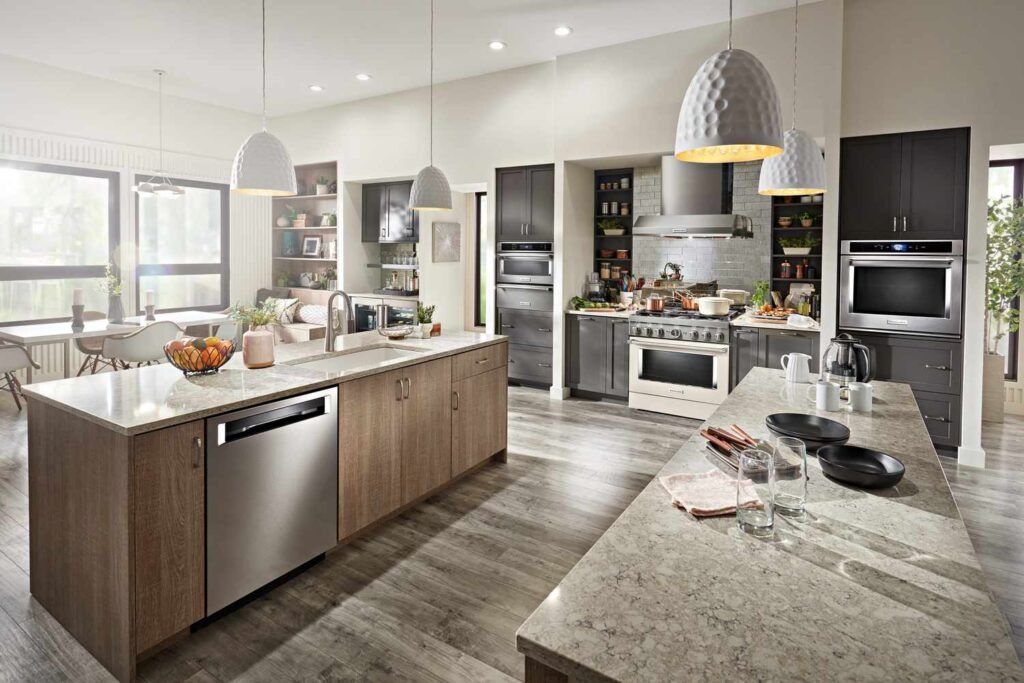
The kitchen has become the heart of the home, and in 2026, it is smarter than ever. With AI-driven ovens, Wi-Fi-enabled refrigerators, and induction cooktops that save up to 40% energy, homeowners face endless choices. Selecting the best kitchen appliances 2026 requires understanding performance, sustainability, and long-term value. This article serves as a complete appliance buying guide to help you choose kitchen appliances that truly elevate your lifestyle.
This guide will help you navigate the market with confidence. We’ll explore the latest trends, break down essential features, and reveal insider tips to avoid costly mistakes. Whether you’re upgrading a single appliance or designing a dream kitchen, you’ll learn how to make choices that align with your lifestyle, budget, and long-term needs.
The 2026 Kitchen Appliance Landscape: What’s New?
The kitchen appliance industry evolves faster than ever. In 2026, smart technology, sustainability, and customization dominate the market. Here’s what you need to know:
1. Smart Appliances Are No Longer Optional
Smart appliances now account for 42% of all kitchen appliance sales, up from just 18% in 2022 (Statista). These devices connect to your home network, allowing remote control via smartphone apps or voice assistants like Alexa and Google Home.
Why it matters:
- Convenience: Preheat your oven while grocery shopping.
- Energy savings: Smart fridges adjust cooling based on usage patterns.
- Maintenance alerts: Get notifications when your dishwasher needs a filter change.
Top pick for 2026: The Samsung Family Hub+ Fridge integrates with meal delivery services and even displays family calendars.
2. Energy Efficiency Is a Priority
With energy costs rising globally, efficiency ratings are more critical than ever. The U.S. Department of Energy reports that ENERGY STAR-certified appliances can save homeowners up to $500 annually.
What to look for:
- Inverter compressors in fridges (use 20% less energy).
- Induction cooktops (90% energy transfer vs. 55% for gas).
- Heat pump dryers (use 50% less electricity than traditional models).
3. Customization and Modular Designs
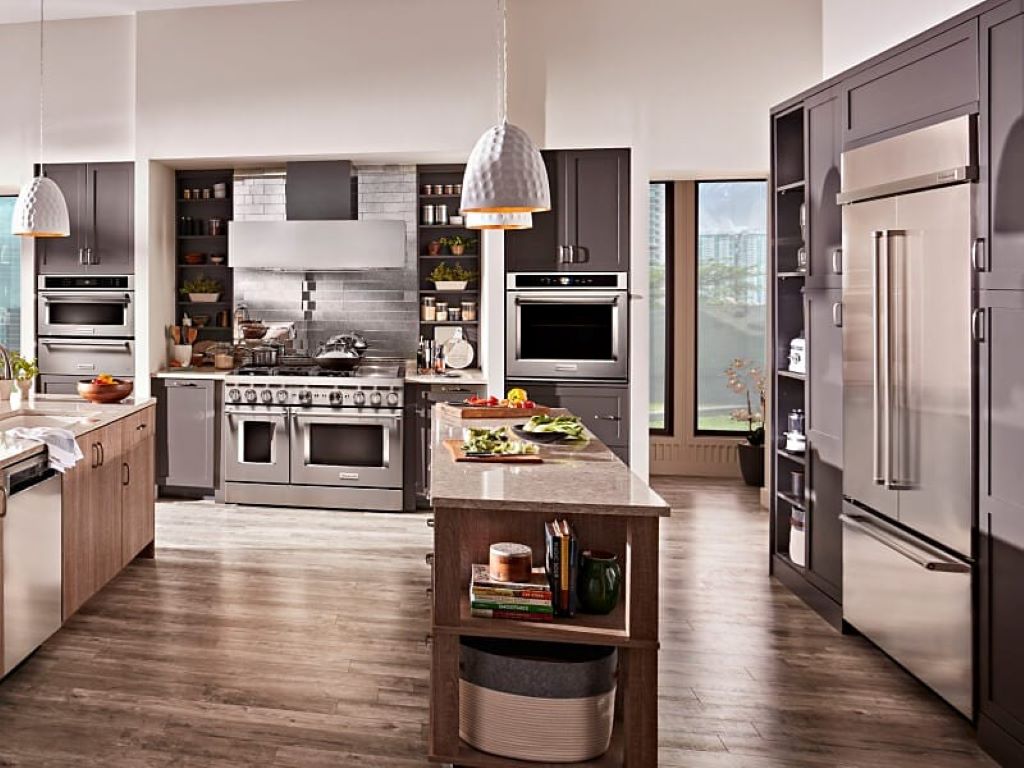
Gone are the days of one-size-fits-all appliances. Brands like Bosch and LG now offer modular systems where you can mix and match components. For example, swap a standard oven for a steam-combi model or add a wine cooler to your fridge column.
Pro tip: If you love baking, invest in a double-oven range. If you entertain often, a built-in espresso machine might be worth the splurge.
How to Choose Kitchen Appliances: A Step-by-Step Guide
Step 1: Assess Your Needs and Lifestyle
Before browsing, ask yourself:
- How often do you cook? A professional chef needs a 6-burner gas range, while a busy parent might prioritize a microwave with air-fryer capabilities.
- What’s your kitchen size? Compact apartments benefit from 24-inch appliances, while large kitchens can accommodate 36-inch fridges.
- Do you value speed or precision? Induction cooktops heat instantly, while gas offers finer temperature control.
Step 2: Set a Realistic Budget
Appliance costs vary widely:
- Budget-friendly: $500–$1,500 per appliance (e.g., Whirlpool or GE).
- Mid-range: $1,500–$3,500 (e.g., LG or Samsung).
- Luxury: $3,500+ (e.g., Miele or Viking).
Hidden costs to avoid:
- Installation fees (can add 10–20% to the price).
- Extended warranties (often unnecessary for reliable brands).
- Energy inefficiency (cheaper models may cost more long-term).
Step 3: Research Brands and Features
Not all brands excel in every category. Here’s a quick breakdown:
| Brand | Best For | Avoid If |
|---|---|---|
| Bosch | Quiet dishwashers, reliability | You want flashy smart features |
| LG | Smart fridges, innovative tech | You prefer classic designs |
| KitchenAid | Stand mixers, baking enthusiasts | You need budget-friendly options |
| Miele | Luxury, durability | You’re on a tight budget |
Step 4: Read Reviews and Compare Models
Always check:
- Consumer Reports for unbiased testing.
- Amazon/Retailer reviews for real-user feedback.
- YouTube unboxings to see appliances in action.
Red flags in reviews:
- “Runs loud” (dishwashers should be <45 dB).
- “Breaks after 2 years” (avoid brands with poor longevity).
- “Customer service is unresponsive.”
Step 5: Test Before You Buy
Visit showrooms to:
- Open fridge doors (are they easy to clean?).
- Test oven knobs (do they feel sturdy?).
- Listen to dishwashers (is the noise tolerable?).
Trending Question: “Are Smart Appliances Worth the Extra Cost?”
Smart appliances can add 20–50% to the price tag. But are they worth it? Here’s the breakdown:
Pros:
- Remote control: Start your coffee maker from bed.
- Energy savings: Smart fridges optimize cooling cycles.
- Integration: Sync with Google Home or Apple HomeKit.
Cons:
- Higher upfront cost (e.g., a smart fridge costs $2,500 vs. $1,200 for a standard model).
- Potential obsolescence (tech updates may render features outdated).
- Privacy concerns (some models collect usage data).
Verdict: If you love tech and can afford the premium, smart appliances enhance convenience. For budget-conscious buyers, focus on energy efficiency instead.
Expert Tips for Choosing the Best Kitchen Appliances
- Prioritize the “Big Three”: Fridge, range, and dishwasher. These see the most use, so invest here first.
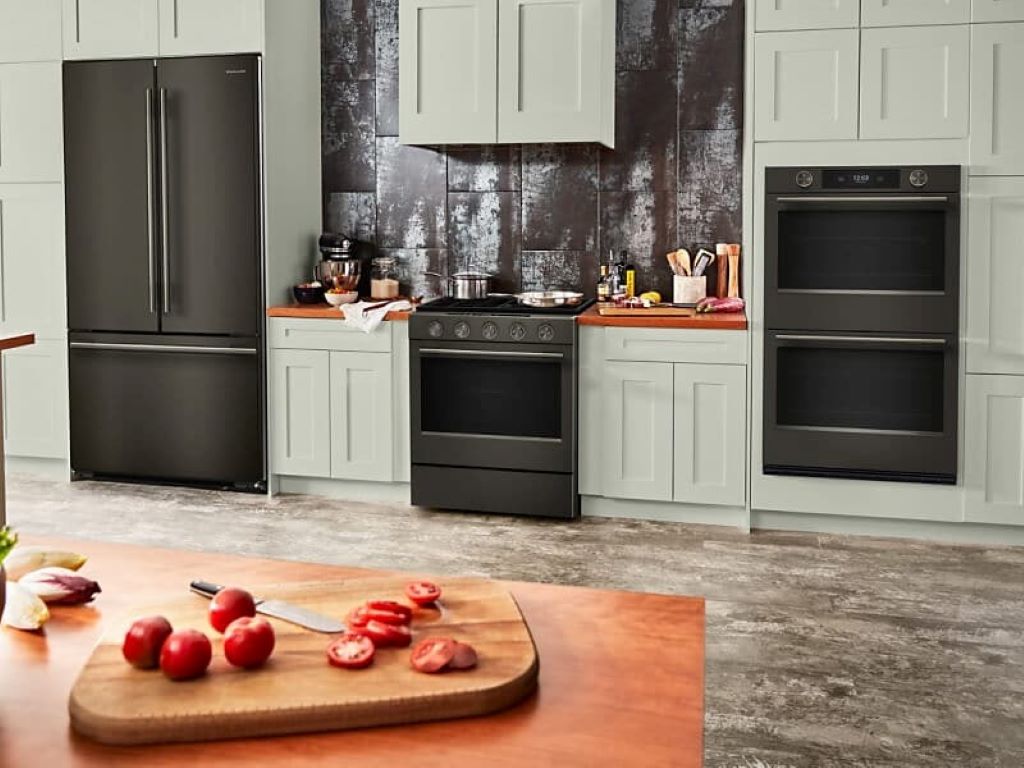
- Match finishes: Stainless steel is timeless, but matte black hides fingerprints.
- Check for rebates: Many states offer discounts for ENERGY STAR appliances.
- Consider resale value: High-end brands like Sub-Zero can boost home value.
- Don’t overlook ventilation: A powerful range hood (400+ CFM) is essential for gas cooktops.
Top 5 Kitchen Appliances for 2026 (Based on Expert Reviews)
- Best Smart Fridge: Samsung Family Hub+
- 21.5” touchscreen, Bixby voice control, and meal planning apps.
- Downside: Expensive ($3,200).
- Best Range: GE Profile Slide-In Induction Range
- Precise temperature control and easy-to-clean surface.
- Downside: Requires compatible cookware.
- Best Dishwasher: Bosch 800 Series
- 39 dB noise level and a third rack for utensils.
- Downside: Longer wash cycles.
- Best Microwave: Panasonic Genius Sensor Microwave
- Inverter tech cooks food evenly without hot spots.
- Downside: Small capacity (1.2 cu. ft.).
- Best Coffee Maker: Breville Barista Express
- Built-in grinder and steam wand for café-quality espresso.
- Downside: Steep learning curve.
FAQs About Choosing Kitchen Appliances
1. How long should kitchen appliances last?
- Fridges: 10–15 years
- Ranges/Ovens: 13–15 years
- Dishwashers: 9–12 years
- Microwaves: 7–10 years
2. Is it better to buy a bundle or individual appliances?
Bundles save 10–15% but may include lower-quality pieces. Mix and match for the best performance.
3. What’s the most energy-efficient cooktop?
Induction uses 90% of energy for cooking (vs. 55% for gas). It’s also safer and easier to clean.
4. Are extended warranties worth it?
Only for high-end appliances. Most mid-range models come with sufficient 1–2 year warranties.
5. How do I measure for new appliances?
Use a tape measure for width, depth, and height. Leave 1–2 inches of clearance for ventilation.
6. Can I install appliances myself?
Gas ranges and built-in ovens require professional installation. Freestanding fridges and microwaves are DIY-friendly.
7. What’s the best way to clean stainless steel appliances?
Use a microfiber cloth and a vinegar-water solution. Avoid abrasive cleaners that scratch the surface.
Conclusion: Your Kitchen, Your Rules
Choosing the best kitchen appliances 2026 doesn’t have to be stressful. Start with your needs, set a budget, and prioritize quality over gimmicks. Remember, the right appliances save you time, money, and frustration in the long run.
Related Topics:
1) How Single-Serve Coffee Makers Work (Pros & Cons Explained)
2)Best 6-Cup Keep-Warm Rice Cooker: Perfect Rice Every Time
Ready to upgrade? Begin by researching models that fit your lifestyle. Visit local showrooms, read reviews, and don’t hesitate to ask experts for advice. Your dream kitchen is just a few smart choices away.
What’s the first appliance you’ll upgrade? Share your plans in the comments!
Featured Image Source