
Introduction: The Silent Drain on Your Wallet—and How to Stop It
Every month, your electricity bill arrives like clockwork. You open it, scan the total, and wonder: Why is this so high? The answer often hides in plain sight. Your home’s appliances and devices silently consume energy. They drive up costs while you’re none the wiser.
Here’s the hard truth: The average American household spends over $1,500 annually on electricity. Worse, up to 30% of that energy goes to waste. Old appliances, inefficient habits, and “vampire” devices suck power even when idle. But there’s good news. Smart appliances and strategic upgrades can slash your bill by hundreds each year.
This guide reveals how to reduce your electricity bill using smart technology. You’ll discover energy-saving appliances that pay for themselves. You’ll learn lower power bill tips that require zero sacrifice. And you’ll walk away with a blueprint for an energy-efficient home that’s kinder to your wallet—and the planet.
The Hidden Costs of Inefficient Appliances
Old Appliances Are Money Pits
That decade-old fridge or clunky washing machine isn’t just outdated. It’s a financial drain. The U.S. Department of Energy reports that appliances over 10 years old consume 30-50% more energy than modern models. A leaking refrigerator seal, for example, forces the motor to work overtime. This adds $100 or more to your annual bill.
Standby Power: The Invisible Thief
“Vampire” devices—TVs, chargers, and gaming consoles—draw power even when off. The Natural Resources Defense Council found these phantom loads cost U.S. households $19 billion yearly. That’s $165 per home wasted on nothing.
Heating and Cooling: The Biggest Culprits
HVAC systems account for nearly half your energy use. Poor insulation, dirty filters, or an outdated thermostat inflate costs further. A single degree of unnecessary heating or cooling can raise your bill by 3-5%.
How Smart Appliances Slash Energy Costs
What Makes an Appliance “Smart”?
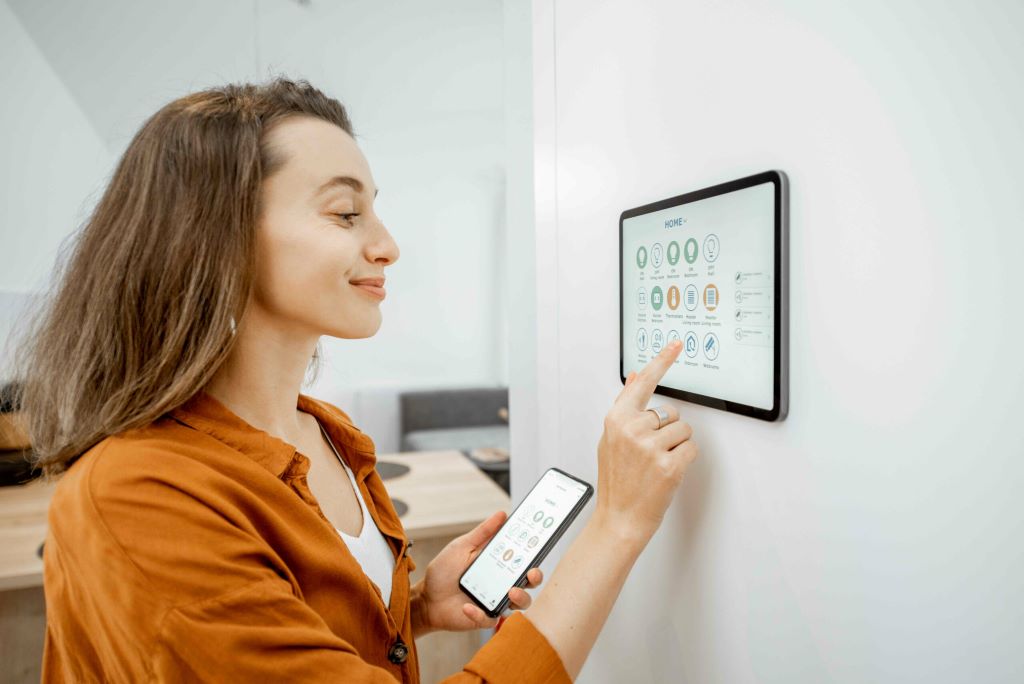
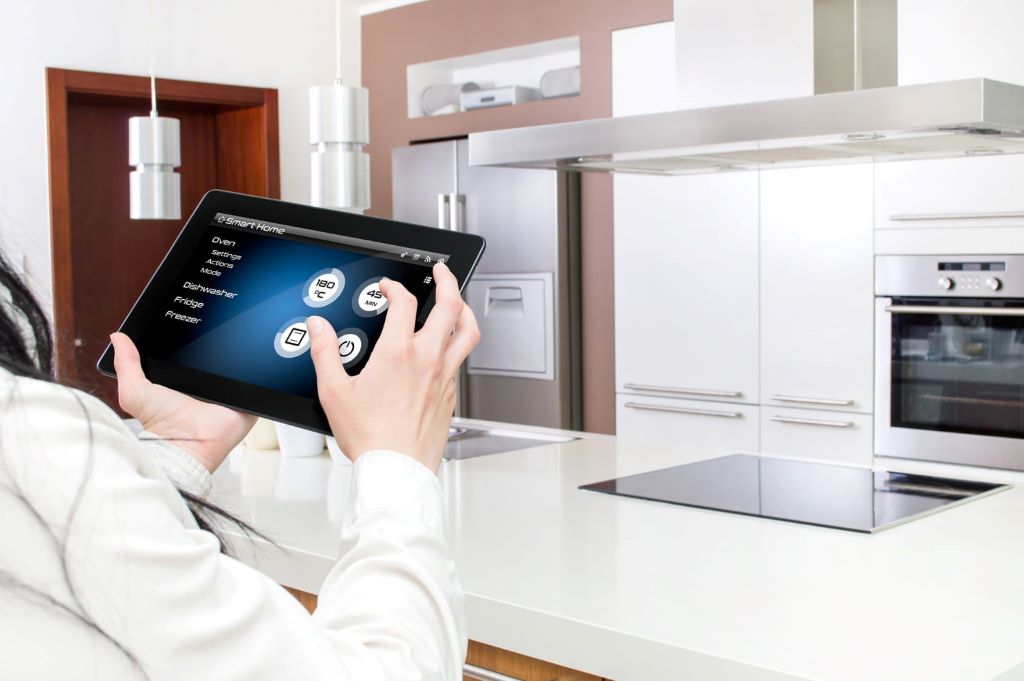
Smart appliances connect to your home network. You control them remotely via apps or voice assistants. More importantly, they optimize energy use automatically. They learn your habits. They adjust settings for maximum efficiency.
The Energy-Saving Power of Smart Tech
A smart thermostat like the Nest Learning Thermostat saves users 10-12% on heating and 15% on cooling. That’s $131 to $145 annually, according to Nest’s data. Smart power strips cut vampire loads by shutting off idle devices. Even smart bulbs use 75% less energy than incandescent lights.
Real-World Savings: A Case Study
The Johnson family replaced their old fridge, washer, and thermostat with ENERGY STAR-certified smart models. Their monthly bill dropped from $180 to $110. Annual savings: $840. The appliances paid for themselves in under three years.
Top Smart Appliances to Reduce Your Electricity Bill
1. Smart Thermostats: The Ultimate HVAC Hack
Smart thermostats learn your schedule. They adjust temperatures when you’re away or asleep. Models like the Ecobee or Google Nest integrate with weather forecasts. They optimize heating and cooling in real time.
Savings Potential: Up to $180 per year.
2. Smart Plugs and Power Strips: Kill Vampire Loads
Smart plugs monitor energy use. They cut power to devices in standby mode. Some, like the TP-Link Kasa, let you set schedules. Plug in TVs, gaming consoles, or chargers. Watch your phantom loads disappear.
Savings Potential: $100–$200 annually.
3. Energy-Efficient Smart Refrigerators
Modern smart fridges use advanced compressors and better insulation. LG’s ThinQ models, for example, adjust cooling based on usage patterns. They even alert you to open doors or failing seals.
Savings Potential: $50–$100 per year.
4. Smart Washing Machines and Dryers
Smart washers like Samsung’s FlexWash use AI to optimize water and energy. They detect load size and fabric type. They run shorter, colder cycles without sacrificing cleanliness. Pair with a heat-pump dryer for even greater savings.
Savings Potential: $70–$120 annually.
5. Smart Lighting: Bright Ideas for Lower Bills
LED smart bulbs, such as Philips Hue, use a fraction of traditional bulbs’ energy. They last up to 25,000 hours. Dimmable options reduce usage further. Set schedules or use motion sensors to avoid wasted light.
Savings Potential: $30–$80 per year.
6. Smart Water Heaters: Hidden Savings
Water heating accounts for 18% of home energy use. Smart heaters like the Rheem EcoNet optimize heating times. They learn your usage patterns. They heat water only when needed, cutting standby losses.
Savings Potential: $100–$150 annually.
Lower Power Bill Tips Beyond Smart Appliances
Seal and Insulate Your Home
Drafty windows and poor insulation force HVAC systems to overwork. Seal gaps with weatherstripping. Add insulation to attics and walls. The EPA estimates proper sealing saves 10-20% on heating and cooling.
Optimize Appliance Placement
Keep fridges away from heat sources like ovens or direct sunlight. Ensure dryers have proper ventilation. These small tweaks improve efficiency and reduce runtime.
Use Appliances During Off-Peak Hours
Many utility companies charge less during off-peak times (usually evenings or weekends). Run dishwashers, washers, and dryers overnight. Check your provider’s rate schedule for savings opportunities.
Maintain Appliances Regularly
Dirty filters, dusty coils, and clogged vents make appliances work harder. Clean or replace filters monthly. Vacuum fridge coils annually. A well-maintained appliance runs more efficiently.
Unplug Unused Devices
Can’t invest in smart plugs? Manually unplug chargers, small appliances, and electronics when not in use. This simple habit eliminates vampire loads instantly.
Expert Tips for Maximizing Energy Savings
Tip 1: Start with an Energy Audit
Use a home energy monitor like Sense or Emporia. These devices track real-time usage. They identify energy hogs and inefficiencies. Knowledge is power—literally.
Tip 2: Prioritize High-Impact Upgrades
Focus on appliances that consume the most energy. Replace old fridges, HVAC systems, or water heaters first. These upgrades offer the fastest payback.
Tip 3: Leverage Rebates and Incentives
Utility companies and governments offer rebates for energy-efficient upgrades. Check the Database of State Incentives for Renewables & Efficiency (DSIRE) for local programs. Some smart thermostats, for example, qualify for $50–$100 rebates.
Tip 4: Automate for Effortless Savings
Set smart appliances to “eco” modes. Program thermostats for energy-saving schedules. Use apps to monitor usage remotely. Automation ensures savings without lifestyle changes.
Tip 5: Educate Your Household
Involve family members in energy-saving habits. Teach kids to turn off lights. Encourage everyone to use appliances mindfully. Small collective efforts amplify savings.
Real-Life Reviews: Smart Appliances in Action
Review 1: Nest Learning Thermostat
“Installed the Nest three months ago. Our bill dropped by $30 monthly. The app’s energy reports are eye-opening. It even reminds me to change filters!” — Mark T., Texas
Review 2: TP-Link Kasa Smart Plugs
“Plugged my TV and gaming console into Kasa plugs. Set a schedule to cut power at night. Saved $15 last month on phantom loads alone.” — Priya S., California
Review 3: LG ThinQ Smart Refrigerator
“Our old fridge was a power hog. The LG ThinQ uses half the energy. The door-alert feature saved us from spoiled food twice. Worth every penny.” — Carlos M., Florida
Review 4: Philips Hue Smart Bulbs
“Replaced 10 bulbs with Philips Hue. They use 80% less energy. I love the scheduling feature—lights turn off automatically when we’re out.” — Emily R., New York
FAQs: Your Smart Appliance Questions Answered
1. How much can smart appliances really save me?
Savings vary by appliance and usage. On average, expect 10-30% reductions in energy costs. Smart thermostats and power strips offer the fastest payback.
2. Are smart appliances worth the upfront cost?
Yes. Most pay for themselves within 1-3 years through energy savings. Look for ENERGY STAR-certified models with strong reviews.
3. Can I use smart appliances in an older home?
Absolutely. Smart plugs and bulbs require no wiring changes. Smart thermostats work with most HVAC systems. Always check compatibility before purchasing.
4. Do smart appliances require a strong Wi-Fi signal?
A stable connection helps but isn’t always critical. Many appliances store schedules locally. They’ll resume smart functions once reconnected.
5. What’s the easiest smart upgrade for renters?
Smart plugs and bulbs are renter-friendly. They install in minutes. They’re portable, so you can take them when you move.
6. How do I know which appliances are energy hogs?
Use an energy monitor or check your utility’s usage breakdown. Older fridges, HVAC systems, and water heaters are common culprits.
7. Can smart appliances help during power outages?
Some, like LG’s smart fridges, have battery backups. Smart generators can auto-start during outages. Check specifications for backup capabilities.
Related Topics:
-
How to Choose the Best Home Appliances for Your Kitchen in 2026
-
11 cheap and efficient gadgets to save on electricity, water and gas bills
Conclusion: Take Control of Your Energy Bill Today
Reducing your electricity bill doesn’t require sacrifice. It demands smart choices. Smart appliances transform energy waste into savings. They turn inefficiency into optimization. And they empower you to cut costs without changing your lifestyle.
Start small. Replace one appliance or add a smart plug. Track your savings. Reinvest in more upgrades. Over time, these changes add up to hundreds—or even thousands—in annual savings.
The future of home energy is smart, efficient, and affordable. Your journey to a lower power bill starts now.
Ready to slash your electricity bill? Pick one smart upgrade from this guide. Calculate your potential savings. Take the first step today—your wallet will thank you!