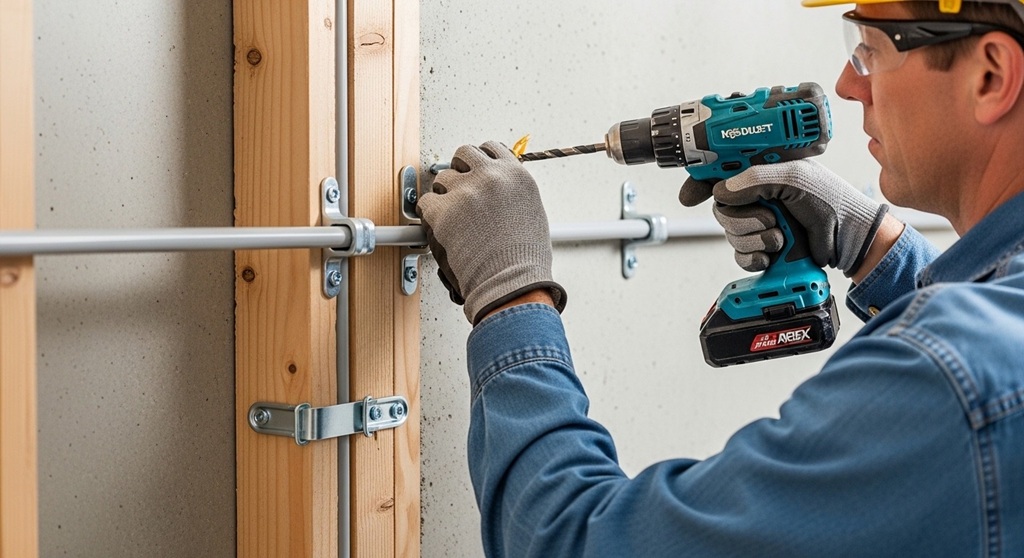
Electrical conduit is a protective tubing system used to enclose and route electrical wiring safely through walls, ceilings, floors, and outdoor areas. It shields wires from moisture, impact, corrosion, and fire risks while improving wire management and cable routing.
If you’re installing new wiring or upgrading an existing system, conduit installation is not optional. It’s part of every serious electrical safety guide. According to data from the National Fire Protection Association (NFPA), electrical distribution systems are one of the leading causes of home structure fires. Poor wire protection and improper cable routing contribute to overheating and short circuits.
Here’s the problem. Many DIY installers rush conduit work. They skip measurements. ignore local codes. bend conduit incorrectly. That leads to damaged wires, failed inspections, and expensive repairs.
The solution? Follow a structured process. Use the right tools. Understand conduit types. Apply professional wire management techniques. This guide walks you through everything step by step so you can install electrical conduit like a professional.
What Tools and Materials Do You Need to Install Electrical Conduit?
Short answer: You need conduit (EMT, PVC, or rigid), fittings, straps, a conduit bender, fish tape or pull tape, a hacksaw or conduit cutter, level, measuring tape, and safety gear.
Essential Tools Checklist
- Conduit (EMT, PVC, or RMC)
- Conduit fittings and connectors
- Conduit straps and clamps
- Conduit bender (manual or hydraulic)
- Fish tape or pull tape
- Level
- Measuring tape
- Hacksaw or pipe cutter
- Reamer or deburring tool
- Drill and anchors
- Safety gloves and goggles
For efficient cable routing, professionals often use high-strength pull tape instead of standard fish tape, especially for long runs. If you want a detailed breakdown of durable options, check this guide on wire pulling tools for conduit installation. Choosing the right pull tape reduces friction and prevents wire insulation damage.
Skipping proper tools leads to uneven bends, misalignment, and failed inspections. Precision starts with preparation.
What Are the Different Types of Electrical Conduit?
Short answer: The main types are EMT (Electrical Metallic Tubing), PVC conduit, and Rigid Metal Conduit (RMC). Each serves different environments and load conditions.
1. EMT (Electrical Metallic Tubing)
- Lightweight and easy to bend
- Common in residential and commercial indoor applications
- Cost-effective
2. PVC Conduit
- Non-metallic and corrosion-resistant
- Ideal for underground and wet locations
- Requires solvent welding
3. Rigid Metal Conduit (RMC)
- Thick-walled steel
- Used in industrial settings
- Provides maximum physical protection
Choosing the wrong type creates problems. For example, using EMT underground without proper protection can lead to corrosion. A professional installer matches conduit type with environmental exposure and electrical load.
How Do You Plan Electrical Conduit Routing Like a Professional?
Short answer: Measure first. Minimize bends. Follow code spacing. Keep cable routing straight and accessible.
Poor planning causes voltage drop, overheating, and difficult maintenance. Professionals follow three rules:
1. Minimize Bends
The National Electrical Code (NEC) limits conduit runs to 360 degrees of total bends between pull points. More bends increase friction and make wire management harder.
2. Maintain Proper Support Spacing
- EMT must be supported within 3 feet of a box.
- Supports are typically required every 10 feet (check local codes).
3. Avoid Sharp Turns
Smooth curves reduce pulling tension and protect insulation.
Pro tip: Sketch your layout before drilling. Measure twice. Install once.
How Do You Measure and Cut Electrical Conduit Accurately?
Short answer: Measure the full run including fittings, mark clearly, cut square, and deburr the edges.
Common mistake: forgetting to account for connector depth.
Step-by-Step:
- Measure total run distance.
- Add length for fittings and couplings.
- Mark the conduit clearly.
- Cut using a pipe cutter or hacksaw.
- Ream inside edges to remove sharp burrs.
Sharp edges can damage wire insulation during cable routing. Deburring is not optional. It’s a safety requirement.
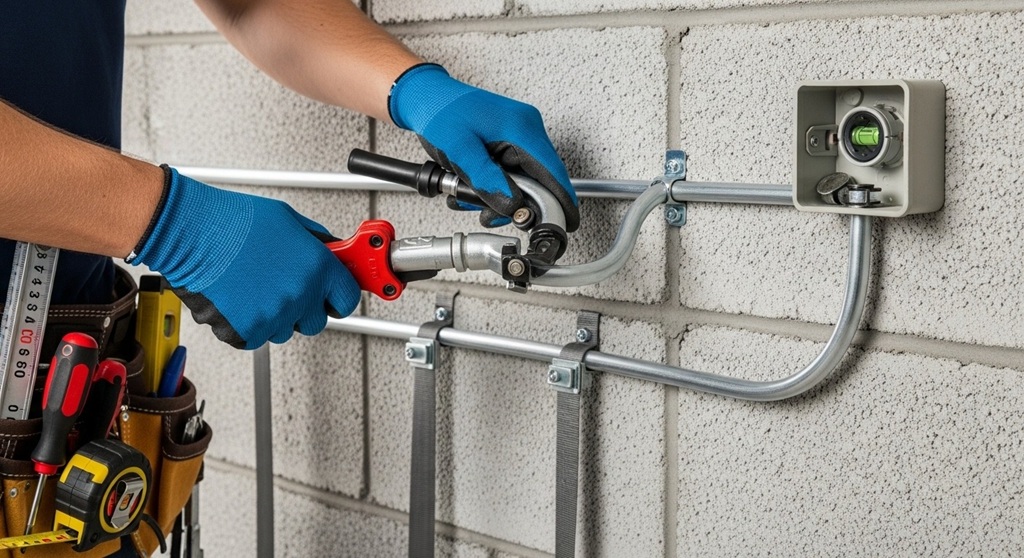
How Do You Bend Conduit Properly?
Short answer: Use a conduit bender, align markings precisely, and apply steady pressure for accurate angles.
Bending errors are the fastest way to look unprofessional.
Common Bend Types:
- 90-degree stub-up
- Back-to-back bends
- Offset bends
- Three-point saddle
Professional tip: Practice on scrap conduit. Understand take-up measurements (the length lost during bending). Most benders have markings to guide angle degrees.
Incorrect bends cause misalignment and increase tension during wire pulling.
How Do You Secure and Mount Electrical Conduit?
Short answer: Anchor conduit using straps and clamps at required intervals while keeping it level and aligned.
Loose conduit vibrates. Vibration damages insulation. Over time, this leads to faults.
Mounting Process:
- Use a level for straight runs.
- Install straps within required code spacing.
- Anchor securely into studs or masonry.
- Keep conduit flush to surfaces.
Clean mounting improves inspection results and long-term durability.
How Do You Pull Wires Through Conduit Safely?
Short answer: Use fish tape or pull tape, apply lubricant if needed, and pull steadily without jerking.
This step determines long-term reliability.
Professional Wire Management Tips:
- Label wires before pulling.
- Use wire lubricant for long runs.
- Never exceed fill capacity (NEC guidelines).
- Use high-strength pull tape for heavy cable bundles.
In one commercial case study involving a 3,000 sq. ft. warehouse upgrade, contractors reduced wire damage incidents by 27% after switching from standard fish tape to reinforced mule tape for long conduit runs. Reduced friction equals fewer insulation failures.
Slow, steady pulling protects conductors and maintains electrical safety compliance.
What Are the Most Common Conduit Installation Mistakes?
Short answer: Overfilling conduit, exceeding bend limits, poor support spacing, and skipping grounding.
Top Errors to Avoid:
- Ignoring local building codes
- Failing inspection due to improper grounding
- Using wrong conduit type outdoors
- Not deburring cuts
- Poor cable routing planning
Each mistake increases fire risk and system failure probability.
How Do You Ensure Electrical Code Compliance?
Short answer: Follow NEC guidelines, check local amendments, and schedule inspection before closing walls.
Compliance protects property and occupants.
- Verify conduit fill calculations.
- Use correct wire gauge.
- Ensure proper grounding and bonding.
- Maintain accessible junction boxes.
A professional installer treats compliance as non-negotiable.
Conclusion: Are You Ready to Install Electrical Conduit Like a Professional?
Electrical conduit installation is not just about running pipe. It’s about precision, safety, and planning. When done correctly, it improves wire management, protects cables from damage, and ensures long-term electrical safety.
The problem with rushed installations is simple: mistakes cost more than preparation. Damaged insulation, failed inspections, and rework add up fast.
The solution is structured execution. Choose the correct conduit. Measure accurately. Bend precisely. Support properly. Pull wires safely. Follow every step in this electrical safety guide.
If you’re planning a new project, review your tools first. Upgrade your pull tape if needed. Study your cable routing layout. And most importantly, prioritize safety.
Take action today: Plan your conduit layout, gather the right tools, and apply the professional techniques outlined above. Proper installation now prevents costly repairs later.
Frequently Asked Questions (FAQs)
1. How many wires can I run through one conduit?
The number depends on conduit size and wire gauge. NEC conduit fill charts specify maximum percentages, typically 40% fill for multiple conductors. Always calculate before installation.
2. Do I need a permit to install electrical conduit?
In most jurisdictions, yes. Residential and commercial electrical work often requires permits and inspections to meet code requirements.
3. Can I install PVC conduit indoors?
Yes, PVC conduit can be used indoors where allowed by code. It is common in basements and garages but must be secured properly.
4. What is the maximum number of bends allowed in a conduit run?
NEC guidelines limit total bends to 360 degrees between pull points. Exceeding this requires adding a junction box.
5. Should I use fish tape or pull tape?
For short runs, fish tape works well. For long or heavy cable routing, reinforced pull tape provides better strength and reduces friction.
6. Why is deburring conduit important?
Sharp edges can damage wire insulation during pulling. Deburring protects wires and maintains electrical safety.
7. How often should conduit be supported?
Support spacing depends on conduit type. EMT typically requires support within 3 feet of a box and every 10 feet along the run, but local codes may vary.
Related Topic: How Single-Serve Coffee Makers Work (Pros & Cons Explained)
Read Next: Fluted vs Straight Ravioli Cutters: Which Should You Use?