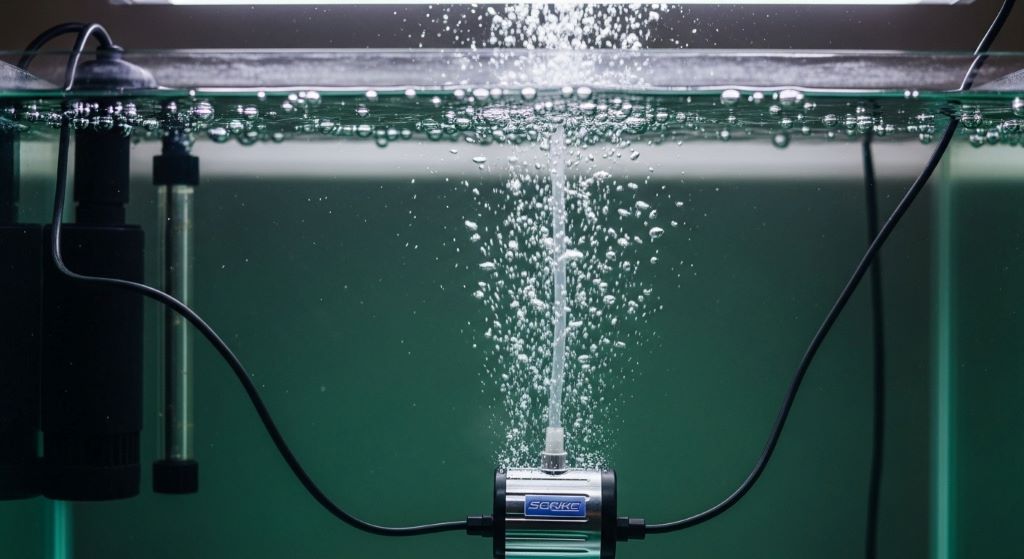
Selecting the right air pump for your aquarium can feel overwhelming with so many options available. However, making the correct choice is essential for maintaining a healthy environment for your fish and aquatic plants. This guide will walk you through everything you need to know about choosing the perfect air pump for your 50-gallon tank.
Understanding Your Aquarium’s Oxygen Needs
Before diving into specific pump options, you should understand why oxygen matters in your aquarium. Fish breathe oxygen dissolved in water, and without proper aeration, they can become stressed or even die. Additionally, beneficial bacteria that break down waste also require oxygen to function effectively.
A 50-gallon aquarium represents a medium-sized setup that requires careful attention to oxygen levels. The size means you cannot use a basic small pump, yet you do not need industrial-grade equipment either. Therefore, finding the sweet spot between power and efficiency becomes crucial.
Your tank’s inhabitants determine how much aeration you need. A heavily stocked tank with many fish requires more oxygen than a lightly populated one. Similarly, certain species like goldfish consume more oxygen than tropical fish like tetras. Furthermore, planted tanks may need less supplemental oxygen during daylight hours when plants produce oxygen through photosynthesis.
Key Features to Consider
Power Output and Tank Size Matching
The most important consideration is matching pump capacity to your aquarium volume. For a 50-gallon setup, you need a pump that can adequately circulate air throughout the entire water column. Manufacturers typically list pump capacity in gallons per hour or liters per minute.
A good rule of thumb suggests choosing a pump rated for at least your tank size, preferably slightly higher. This ensures adequate oxygenation even as your tank becomes more established. However, avoid going too powerful, as excessive bubbles can stress fish and create unnecessary water movement.
Noise Levels Matter
Since aquariums often sit in living rooms or bedrooms, noise becomes a significant factor. Some pumps vibrate loudly, creating an annoying hum that disturbs your peace. Look for models specifically marketed as quiet or silent operation.
Piezoelectric pumps generally operate more quietly than traditional piston-style pumps. Additionally, placing rubber pads under your pump can absorb vibrations and reduce noise transmission. Remember that a slightly more expensive quiet pump often proves worth the investment for your comfort.
Adjustability and Control Options
An adjustable flow pump offers tremendous flexibility for aquarium management. These pumps allow you to increase or decrease air output based on your current needs. For instance, you might want stronger aeration during summer months when warmer water holds less dissolved oxygen.
The ability to fine-tune air output also helps when introducing new fish or treating diseases. Sometimes fish need gentler water movement, while other situations call for maximum oxygenation. Therefore, adjustable models provide the versatility that rigid single-speed pumps cannot match.
Energy Efficiency
Air pumps run continuously, so electricity consumption adds up over time. Modern pumps vary significantly in power usage, with some consuming just a few watts while others use considerably more. Check the wattage specifications before purchasing.
Energy-efficient models might cost slightly more upfront but save money over their lifespan. Additionally, they generate less heat, which can be beneficial if you struggle to keep your aquarium cool. Calculate the annual operating cost by multiplying wattage by your local electricity rate and hours of operation.
Types of Air Pumps Available
Diaphragm Pumps
Diaphragm pumps represent the most common type for aquarium use. They work by moving a rubber diaphragm back and forth, creating air pressure. These pumps are reliable, affordable, and suitable for medium tank oxygen supply needs.
Most diaphragm pumps operate electromagnetically, making them relatively quiet. They typically last several years with minimal maintenance. However, diaphragms eventually wear out and need replacement. Fortunately, replacement parts are usually inexpensive and easy to install.
Piston Pumps
Piston pumps deliver higher pressure than diaphragm models, making them ideal when you need to push air through deep water or multiple airstones. They excel as a high output air pump for demanding situations.
These pumps tend to be louder than diaphragm versions but offer superior performance for larger setups. If you plan to run multiple decorations or need deep-water aeration, a piston pump might be your best choice. They also last longer in continuous operation compared to diaphragm alternatives.
Linear Air Pumps
Linear air pumps use electromagnetic oscillation to generate airflow. They are extremely quiet and energy-efficient, though usually more expensive. These pumps work well for living spaces where noise is a primary concern.
The design includes fewer moving parts, which translates to longer lifespan and less maintenance. However, they may not provide the same power output as comparably sized diaphragm or piston pumps. Consider these if silence and efficiency outweigh raw power in your priorities.
Assessing Your Specific Requirements
Fish Population Density
Count your current fish and consider any future additions. Overstocked tanks require significantly more aeration than lightly populated ones. Each fish species has different oxygen demands based on size, metabolism, and natural habitat.
Active swimmers like danios consume more oxygen than sedentary bottom dwellers. Large fish naturally need more oxygen than small ones. If you plan to breed fish, remember that fry also increase your oxygen requirements substantially.
Tank Decorations and Substrate
Your aquarium setup affects oxygen distribution. Dense decorations or thick substrate can create dead zones where oxygen does not circulate properly. In such cases, you need stronger aeration to ensure water movement reaches all areas.
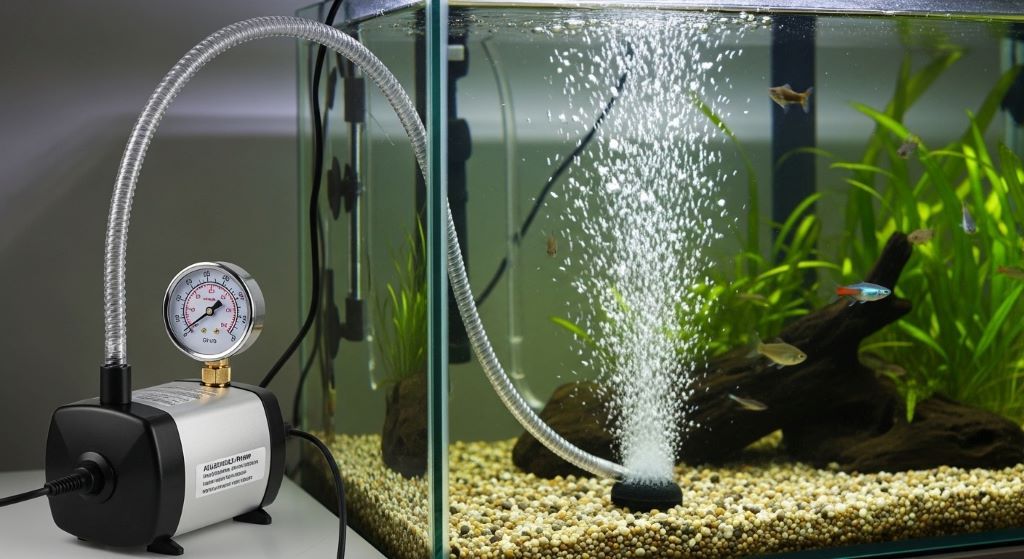
Multiple airstones or decorations require a pump capable of supplying adequate pressure to each outlet. Some pumps include multiple outlet valves, allowing you to run several items simultaneously. Calculate total airstone requirements before selecting your pump.
Live Plants and Lighting Schedule
Planted tanks present unique considerations. During photosynthesis, plants produce oxygen, potentially reducing your aeration needs during daylight. However, at night, plants consume oxygen just like fish do.
Therefore, many aquarists run air pumps only during nighttime hours in heavily planted tanks. An adjustable flow pump lets you modify output based on time of day. Alternatively, you might use a timer to control pump operation automatically.
Installation and Positioning Tips
Proper installation maximizes pump efficiency and longevity. Always position your air pump above water level to prevent backflow if power fails. If you must place it below the tank, install a check valve to prevent water from siphoning back into the pump.
Place the pump on a stable surface that does not amplify vibrations. Avoid putting it directly on hard surfaces like glass or wood. Instead, use foam padding or rubber mats to dampen sound. Keep the pump accessible for maintenance but away from water splashes.
Airline tubing connects your pump to tank decorations. Use quality tubing that resists kinking and yellowing. Replace tubing annually, as it becomes brittle over time and can crack. Additionally, clean or replace airstones monthly to maintain optimal bubble production.
Budget Considerations
Air pumps range from budget-friendly options under twenty dollars to premium models costing over a hundred. Your budget should reflect your commitment level and specific needs. A basic reliable pump often serves casual hobbyists perfectly well.
However, serious aquarists might prefer investing in higher-quality equipment. Premium pumps typically last longer, operate more quietly, and offer better performance. Consider this a long-term investment rather than an expense, as a good pump serves you for years.
Remember to factor in replacement parts and accessories. Check valves, airline tubing, and airstones need periodic replacement. Some pumps require diaphragm replacement every year or two. Calculate these ongoing costs when comparing different models.
Troubleshooting Common Issues
Even quality pumps occasionally experience problems. Weak airflow often indicates a clogged airstone or kinked tubing. Check these components first before assuming pump failure. Cleaning or replacing the airstone usually resolves the issue.
Excessive noise might mean your pump sits on a surface that amplifies vibrations. Try relocating it or adding dampening material underneath. Sometimes loosening mounting screws slightly can reduce vibration transmission.
If your pump stops working entirely, check the power source first. Ensure the outlet works and the cord is not damaged. Many pumps include internal filters that need cleaning periodically. Consult your manual for specific maintenance instructions.
Making Your Final Decision
After considering all factors, create a short list of pumps meeting your requirements. Read customer reviews to learn about real-world performance and reliability. Pay attention to comments about noise levels and durability, as these often differ from manufacturer claims.
Consider purchasing from retailers with good return policies. This allows you to test the pump at home and return it if noise or performance disappoints. Some online reviews include videos demonstrating actual noise levels, which can be incredibly helpful.
Match pump specifications to your exact tank setup rather than relying solely on general recommendations. What works perfectly for one 50-gallon tank might prove inadequate for another with different stocking levels or configurations. Trust your assessment of your specific needs.
Conclusion
Choosing the right air pump for your 50-gallon aquarium requires balancing multiple factors including power output, noise levels, adjustability, and budget. Understanding your specific tank requirements helps narrow down options from the overwhelming selection available. Whether you need steady medium tank oxygen supply or prefer the flexibility of an adjustable flow pump, the perfect option exists for your situation.
Remember that adequate aeration forms the foundation of a healthy aquarium ecosystem. Fish, plants, and beneficial bacteria all depend on proper oxygen levels to thrive. Investing time in selecting the appropriate pump pays dividends through healthier livestock and easier tank maintenance. Start by assessing your current and future needs, then choose a high output air pump that provides reliable performance without breaking your budget.
Frequently Asked Questions
Can I use one air pump for multiple 50-gallon tanks?
Yes, you can split airflow between multiple tanks using gang valves and appropriate tubing. However, ensure your pump has sufficient capacity to maintain adequate aeration in all tanks simultaneously. Each additional tank requires proportionally more pump power.
How often should I run my air pump?
Most aquariums benefit from continuous pump operation to maintain stable oxygen levels. However, heavily planted tanks might only need nighttime aeration. Monitor your fish behavior; if they gasp at the surface, increase aeration immediately.
Do air pumps need regular maintenance?
Yes, basic maintenance extends pump life significantly. Replace diaphragms annually in diaphragm pumps, clean internal filters monthly, and inspect airline tubing for cracks. These simple tasks prevent unexpected failures and maintain optimal performance.
Will an air pump lower my water temperature?
Air pumps cause minimal temperature changes through evaporative cooling. The effect is usually less than one degree. If temperature control is critical, monitor closely after installation and adjust your heater accordingly.
Can an air pump be too powerful for my aquarium?
Excessive aeration can stress fish with strong currents and create excessive surface agitation. This drives off beneficial CO2 needed by plants and can affect pH levels. Choose appropriately sized equipment or use adjustable models to prevent over-aeration.
Related Topics:
How to Attach a Gable Porch Roof to House: Step-by-Step Guide for Homeowners (2025)
How to Measure a Toilet Seat for Replacement