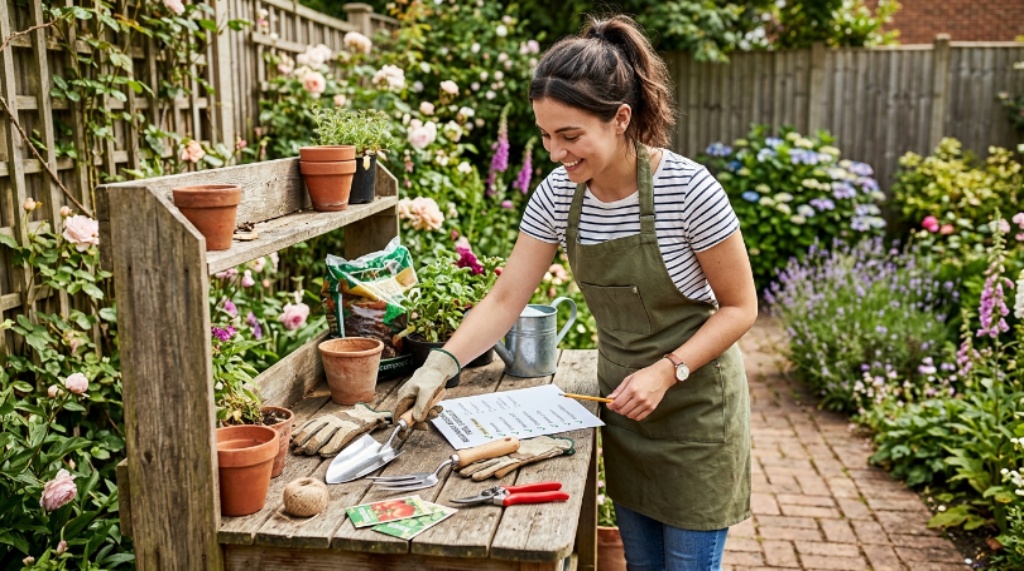
Starting a garden is exciting. The idea of growing your own vegetables, flowers, or herbs is deeply satisfying. However, walking into a garden centre for the first time can feel overwhelming. There are hundreds of tools on the shelves, and it is not always clear what you actually need.
Buying the wrong tools wastes money. Buying too many at once creates clutter. And buying poor-quality equipment leads to frustration when handles snap or blades rust after just a few uses.
This guide cuts through the confusion. Whether you are starting a small raised bed or tackling a full backyard, you will find everything you need to make smart, confident choices from the very beginning.
Why the Right Tools Make Gardening Easier
Good tools do not just make tasks faster. They make them possible. Trying to dig compacted soil with a flimsy trowel, for example, is an exercise in frustration. The right spade cuts through clay and roots cleanly, saving your energy for the work that matters.
Additionally, quality tools protect your body. Tools that are the right size and weight reduce strain on your back, wrists, and shoulders. Gardening should be enjoyable, not painful. Therefore, choosing tools that suit your body and your tasks is just as important as choosing ones that suit your soil type.
The right tool also lasts longer. A well-made spade can outlast dozens of cheap replacements. Over time, investing in quality saves more money than buying budget options that need replacing every season.
Understanding the Basics Before You Buy
Before you spend a single dollar, take a moment to assess your gardening situation. Three questions will guide every purchase you make.
What Type of Garden Are You Creating?
A vegetable patch, a flower border, a lawn, and a container garden all require different tools. A new vegetable garden needs digging and soil preparation tools. A flower border needs planting and pruning tools. A lawn needs mowing and edging equipment. Container gardening needs very little beyond a trowel and a watering can.
Start by writing down what you want to grow and where. This alone will eliminate half the tools on the shelf before you even pick them up.
How Big Is Your Space?
Size determines scale. A small courtyard garden needs hand tools. A large plot benefits from long-handled tools that reduce bending and extend your reach. Buying full-size tools for a tiny space is awkward and unnecessary. Buying hand tools for a large plot means hours of unnecessary crouching.
What Is Your Physical Ability?
This is an honest question worth asking. If you have back problems, lightweight long-handled tools are essential. If your grip strength is limited, look for tools with ergonomic handles and soft grips. Many brands now offer tools designed specifically for people with limited mobility, and they work extremely well.
Your Essential Garden Tool Checklist
Every beginner needs a core set of tools before anything else. This garden tool checklist covers the essentials that suit almost any type of garden.
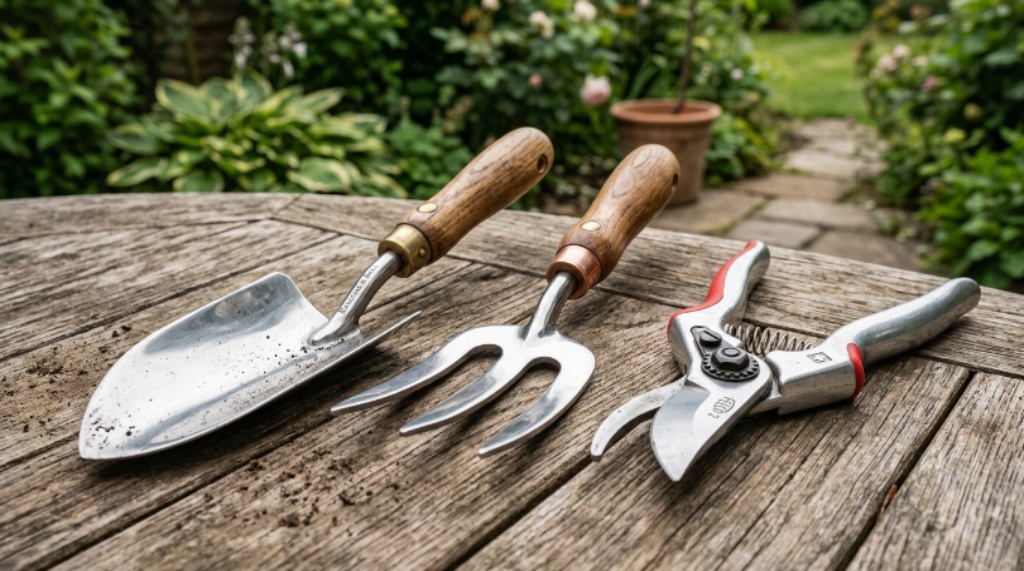
A spade is the starting point. It breaks new ground, edges borders, and transfers plants. Choose one with a stainless steel head and a hardwood or fibreglass handle. It should feel balanced in your hands, not front-heavy.
A garden fork works alongside your spade. It loosens compacted soil, aerates lawns, and lifts root vegetables without damaging them. A four-tine digging fork is the most versatile choice for beginners.
A hand trowel is the tool you will reach for most often. Use it for planting seedlings, scooping compost, and weeding in tight spaces. Look for a trowel with a comfortable grip and a stainless steel blade that will not bend under pressure.
A hoe keeps weeds under control between plants. A Dutch hoe with a flat, push-pull blade is the easiest style to use and suits most soil types. Run it just below the surface on dry days for the best results.
A watering can or garden hose completes the basics. For small gardens, a two-gallon watering can with a detachable rose head gives you control over water flow. For larger spaces, a hose with an adjustable nozzle is more practical.
A pair of hand pruners, also called secateurs, handles deadheading, light pruning, and cutting back stems. Bypass pruners make clean cuts and are gentler on plants than anvil-style pruners.
That is your foundation. Start here before adding anything else.
How to Evaluate Tool Quality Before You Buy
Knowing what to look for on the shop floor saves you from costly mistakes. These tool quality tips apply whether you are shopping in a physical store or online.
Check the Material of the Head
The working end of any digging or cutting tool should be made from high-carbon steel or stainless steel. High-carbon steel holds a sharp edge better but requires more maintenance to prevent rust. Stainless steel resists rust naturally and stays cleaner in wet soil, making it a better choice for beginners.
Avoid tools with chrome-plated heads. The coating wears away quickly, leaving bare metal that corrodes fast. Additionally, avoid tools with plastic heads or necks, as these break under normal digging pressure.
Assess the Handle Material and Length
Handles come in wood, fibreglass, and steel. Hardwood handles, particularly ash or hickory, are traditional and comfortable. They absorb vibration well and can be replaced if they crack. Fibreglass handles are lighter, virtually unbreakable, and resistant to moisture. Steel handles are the most durable but can feel heavy over long sessions.
Handle length matters too. For digging tools, the handle should reach roughly to shoulder height when the tool is standing upright. This prevents unnecessary bending. For hand tools, a handle that fills your palm comfortably reduces fatigue.
Examine the Joint Between Head and Handle
This is where most cheap tools fail. Look for a solid socket joint, where the handle fits deep into a metal collar that is part of the head itself. Avoid tools where the head is attached with a simple rivet or a thin metal collar crimped onto a thin handle. These connections loosen over time and eventually snap under load.
Feel the Weight and Balance
Pick the tool up. Swing it gently as you would when using it. A well-made tool feels balanced and natural in motion. A heavy, awkward tool will tire you out quickly and make every task feel harder than it should.
Building Your Collection Over Time
One of the most common mistakes beginners make is buying everything at once. This leads to overspending and a shed full of tools used once and forgotten.
Instead, start with your core garden tool checklist and add to it based on what your garden actually demands. After a full growing season, you will have a clear picture of which tasks feel difficult or time-consuming. Those are the gaps a new tool should fill.
Some tools, like a cultivator for breaking up surface soil or a dibber for planting bulbs, only become necessary once you are past the basics. Others, like a wheelbarrow, become essential the moment your garden grows beyond a certain size.
Therefore, let experience guide your purchases. Buy tools to solve real problems you have encountered, not ones you imagine you might face one day.
Where to Buy Gardening Tools
The best tools are not always found in the most convenient places. Big-box stores carry a wide range, but quality varies enormously. Specialist garden centres tend to stock better-made tools and employ staff who actually know the difference between them.
Online retailers offer competitive prices, but buying tools online has one drawback: you cannot feel the weight or check the joint before purchasing. If you do buy online, read reviews carefully and prioritise brands with clear return policies.
Second-hand tools are an excellent option that many beginners overlook. Vintage tools made before mass production often used better steel and stronger hardwood than their modern equivalents. Charity shops, car boot sales, and online resale platforms frequently have high-quality tools at very low prices. A wire brush and a drop of linseed oil on the handle can restore most old tools to excellent condition.
Caring for Your Tools to Make Them Last
Even the best tools deteriorate without basic care. Maintenance does not require much time, but it makes a significant difference to the lifespan of every tool you own.
After each use, remove soil from metal parts with a stiff brush or a damp cloth. Wet soil left on steel promotes rust. Store tools in a dry shed or garage rather than leaving them outside where moisture and frost can cause damage.
Sharpen cutting tools regularly. A sharp hoe glides through soil. A sharp trowel cuts through roots cleanly. Blunt tools force you to use more effort and cause more damage to plants. A basic sharpening stone costs very little and extends the usefulness of every cutting tool you own.
Once a season, wipe metal heads with a light coat of oil to prevent rust. Rub linseed oil into wooden handles to prevent cracking and splitting. These habits take minutes and add years to the life of your tools.
Conclusion
Choosing the right gardening tools does not need to be complicated. Start by understanding your garden type, size, and your own physical needs. Build your collection around the core garden tool checklist of a spade, fork, trowel, hoe, watering equipment, and pruners. Follow reliable tool quality tips when shopping by checking materials, joints, and balance before you buy.
Add to your collection only when real experience tells you what is missing. Take care of what you own, and your tools will serve you reliably for many years. Gardening is more enjoyable when your tools work with you, not against you. Make smart choices from the start, and every season in the garden becomes easier than the last.
Frequently Asked Questions
What is the minimum number of tools a beginner needs to start gardening?
You can start effectively with just five tools: a spade, a hand trowel, a garden fork, a hoe, and a watering can. These cover the most common tasks in any beginner’s garden. Add more tools as your garden grows and specific needs become clear.
How do I know if a gardening tool is good quality without testing it?
Look for stainless steel or high-carbon steel heads, solid socket joints where the handle meets the head, and handles made from ash, hickory, or fibreglass. Reputable brands with long warranties are generally a reliable indicator of consistent quality.
Are expensive gardening tools always better than cheap ones?
Not always, but price often reflects material and construction quality. Very cheap tools frequently use thin steel and weak joints that fail quickly. Mid-range tools from established garden brands usually offer the best balance of quality and value for beginners.
How often should I sharpen my gardening tools?
Cutting and digging tools benefit from sharpening at the start of each season and again mid-season if you use them frequently. A sharp edge makes every task easier and reduces the physical effort required, which is especially important for older gardeners or those with limited strength.
Can I use the same tools for a vegetable garden and a flower garden?
Yes. The core tools, including a spade, fork, trowel, hoe, and pruners, are versatile enough for both. The main difference is that a vegetable garden may need more digging and soil preparation, while a flower garden involves more pruning and deadheading. Both benefit from the same essential set.