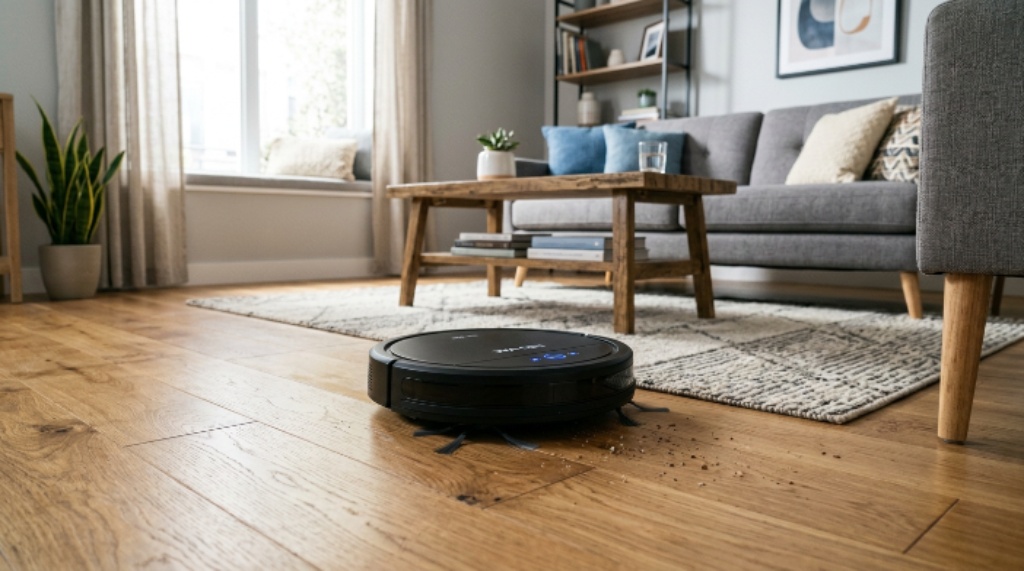
Robot vacuum cleaners have come a long way. A few years ago, they were expensive gadgets only tech enthusiasts could afford. Today, you can find a budget robot vacuum that does a solid job without draining your savings. However, with so many options on the market, it can be hard to know where to start.
This guide will walk you through everything you need to know. You will learn what features matter most, what to avoid, and how to get the best value for your money.
Why Robot Vacuums Are Worth Considering
Life gets busy. Floors get dirty. A robot vacuum takes one chore off your plate without you lifting a finger. You can set it and forget it, letting it clean while you work, cook, or sleep.
The good news is that affordable models have improved greatly. They now offer features that used to cost much more. Therefore, going budget-friendly no longer means sacrificing clean floors.
What to Look for in an Affordable Robot Vacuum
Before you buy, it helps to know which features actually matter. Not every spec on the box will improve your daily life. Focus on these key areas.
Suction Power
Suction is the heart of any vacuum. You want enough power to pick up dust, pet hair, and crumbs from both hard floors and low-pile rugs. Look for models with at least 1500 Pa of suction. This level handles most household messes with ease.
Battery Life and Charging
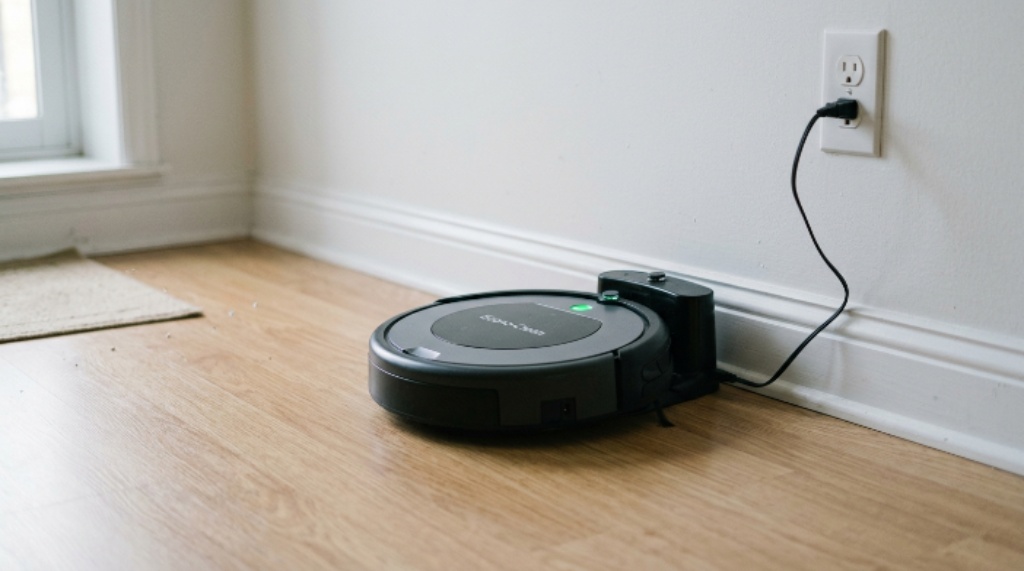
A robot vacuum is only useful if it can finish the job. Most budget models offer between 90 and 120 minutes of run time. That is enough for a medium-sized home. Check whether the unit returns to its dock automatically when the battery runs low. This feature saves a lot of frustration.
Navigation Technology
Cheaper models often use random or bouncing navigation. They move in unpredictable patterns until they hit something, then change direction. This works but is inefficient. If your budget allows, look for a cheap smart cleaner with basic smart navigation, such as gyroscope-based or structured light mapping. These models cover more ground in less time.
Dustbin Capacity
A small dustbin means more frequent emptying. For a single room, 300ml may be enough. However, for larger homes or pet owners, aim for at least 500ml. This small detail makes a big difference in convenience.
Filter Quality
A good filter traps fine particles and allergens. HEPA filters are ideal, especially if anyone in your home has allergies. Many affordable models now include HEPA or HEPA-style filters, so this is worth checking before you buy.
Floor Compatibility
Most robot vacuums handle hard floors well. Not all handle carpet equally. If you have thick rugs or carpeted bedrooms, look for a model with auto-boost or carpet detection. This ensures stronger suction kicks in when needed.
Features You Can Skip on a Budget
Some features sound exciting but are not essential for most households. Knowing what to skip helps you stay within budget without feeling like you are missing out.
Wi-Fi connectivity and app control are convenient. However, they are not necessary if you are fine pressing a button or using a basic remote. Voice assistant integration is similar. It is a nice extra but not a must-have.
Mopping functions on low-cost models are often underwhelming. The water tanks are tiny, and the mop pad barely dampens the floor. Unless the model is specifically designed for mopping, this feature is largely cosmetic at budget price points.
Multi-floor mapping is another advanced feature you can skip if you live in a single-story home or apartment. It adds cost without adding value to your specific situation.
How to Compare Models Without Getting Overwhelmed
Comparison shopping is the best way to find value vacuum robots that suit your needs. Here is a simple approach that works well.
Start by setting a firm budget. Decide the maximum you are willing to spend before you begin browsing. This narrows your options immediately.
Next, list your must-have features. Think about your floor type, home size, and whether you have pets. Write these down and use them as a checklist.
Then read recent customer reviews, not just the star rating. Look for patterns in the feedback. Do multiple people mention the same problem? That is a red flag. Do reviewers consistently praise the battery life or suction? That is a good sign.
Additionally, pay attention to the warranty. A one-year warranty is standard. Some brands offer two years, which signals confidence in their product. Avoid models with no warranty or return policy.
Top Tips for Getting the Most Out of a Budget Model
Even an affordable robot vacuum performs better when you use it wisely. A few simple habits go a long way.
- Clear the floor before each cleaning cycle. Pick up cables, socks, or small toys that can tangle in the brushes.
- Run the vacuum more frequently on a lighter setting rather than doing one long deep clean per week. Daily short runs prevent dirt from building up.
- Clean the brushes and dustbin after every two or three uses. This maintains suction and extends the life of the machine.
- Set up no-go boundaries using the included magnetic strips if your model supports them. Keep the vacuum away from pet bowls, charging cables, or fragile furniture legs.
- Replace filters every two to three months. Clogged filters reduce suction significantly, even on otherwise well-maintained machines.
Price Ranges and What to Expect
Understanding what different price points offer helps you set realistic expectations.
Under $100 (or BDT 11,000 equivalent): These entry-level models use random navigation, have small dustbins, and work best in small, obstacle-free rooms. They are a solid starting point for first-time users.
$100 to $200 (BDT 11,000–22,000): This is the sweet spot for most buyers. You get better suction, longer battery life, smarter navigation, and more reliable performance. Many of the best-value models fall in this range.
$200 to $300 (BDT 22,000–33,000): At this level, you start getting basic laser mapping, larger dustbins, and improved app control. These models suit larger homes and households with pets.
Above $300: These are premium models with advanced mapping, self-emptying bases, and powerful motors. They are excellent but not necessary if your home is modest in size.
Red Flags to Watch Out For
Not every affordable robot vacuum delivers on its promises. Some warning signs are easy to spot if you know what to look for.
Be cautious of models with very few reviews or suspiciously high ratings from unverified sources. Exaggerated suction claims, such as anything above 4000 Pa on a sub-$100 model, are often misleading. Additionally, avoid brands with no local customer support or service centers, especially if you are in a region where returns can be complicated.
Conclusion
Finding an affordable robotic vacuum that performs well is absolutely possible. The key is knowing which features matter, setting a realistic budget, and doing a bit of research before you buy. Focus on suction power, battery life, navigation quality, and filter type. Skip the flashy extras that do not add real value to your cleaning routine.
Whether you are a first-time buyer or upgrading from an older model, the market today offers genuinely capable machines at prices that suit most budgets. With a little patience and the right information, you can find a robot vacuum that keeps your home clean day after day, without breaking the bank.
Frequently Asked Questions
What is the best budget robot vacuum for pet hair?
Look for a model with strong suction (at least 1500 Pa), a tangle-free brush roll, and a HEPA filter. Several models in the $100–$200 range handle pet hair very well on both hard floors and low-pile carpet.
Can a cheap robot vacuum work on carpet?
Yes, most budget robot vacuums can clean low-pile and medium-pile carpet. However, they may struggle with thick, high-pile rugs. Check product specifications and customer reviews for carpet performance before purchasing.
How long do budget robot vacuums typically last?
With proper maintenance, a budget robot vacuum can last two to four years. Regular cleaning of the brushes, filters, and dustbin significantly extends its lifespan.
Do budget robot vacuums work with Alexa or Google Home?
Some do, but many entry-level models do not include Wi-Fi or smart home compatibility. If voice control is important to you, look for this feature specifically in the product description before buying.
Is it worth spending more on a robot vacuum with mapping technology?
For larger homes or multi-room apartments, yes. Mapping technology improves cleaning efficiency and coverage. However, for a small apartment or a single room, basic navigation works fine and saves you money.
Related Topics:
Why Is My Shark Vacuum Not Working? Expert Tips to Diagnose and Fix Issues
How to Pick a Cordless Vacuum for Cat Hair in Small Homes