Box gable roofs are popular choices for homes across America. Their distinctive shape combines a traditional gable with extended eaves that create a boxed appearance. However, these roofs come with specific structural challenges that homeowners should understand. This article explores common weaknesses and practical solutions to keep your box gable roof strong and reliable.
Understanding Box Gable Roof Design
A box gable roof features triangular ends with extended overhangs on all sides. The design creates attractive visual lines and provides excellent protection from weather elements. Unlike standard gable roofs, the boxed version extends beyond the home’s exterior walls, creating covered areas that shield windows and doors.
This architectural style gained popularity in the early 20th century. Today, many homeowners appreciate the classic look and functional benefits. Nevertheless, the extended structure introduces specific engineering challenges that require attention.
Common Structural Weaknesses
Inadequate Rafter Support
The extended eaves of box gable roofs create significant stress points. Rafters must support not only the roof’s weight but also additional loads from the overhanging sections. Many older homes lack proper support for these extended areas.
Without adequate reinforcement, rafters can sag over time. This sagging becomes particularly noticeable at the corners where the gable meets the eaves. Moreover, heavy snow loads can accelerate this deterioration in colder climates.
Wind Uplift Vulnerability
Box gable roofs face substantial wind pressure during storms. The extended overhangs act like wings, catching wind and creating uplift forces. According to the National Weather Service, wind damage to roofs increases significantly when proper anchoring systems are absent.
The triangular gable ends are especially susceptible to wind damage. Strong gusts can push against these flat surfaces, potentially causing structural failure. Therefore, proper bracing becomes essential in areas prone to high winds or hurricanes.
Insufficient Truss Connections
Many box gable roofs rely on roof trusses for structural integrity. However, weak connections between trusses and wall plates create serious problems. These connection points bear enormous loads during weather events.
Older construction methods sometimes used minimal fastening hardware. Additionally, wood shrinkage over time can loosen originally secure connections. This weakness compromises the entire roof system’s stability.
Moisture Accumulation Problems
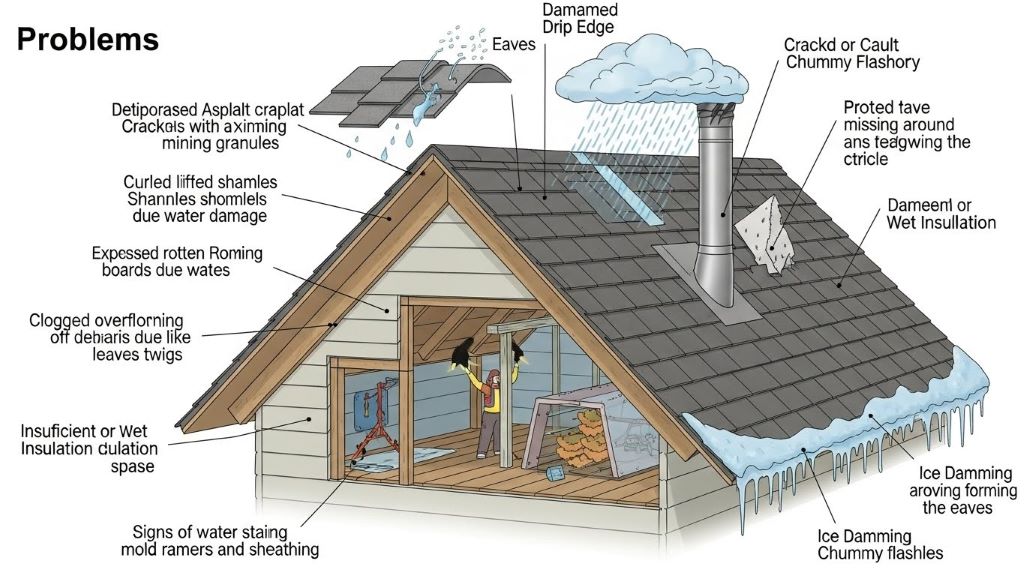
The boxed design can trap moisture in hard-to-reach areas. Condensation forms when warm interior air meets cold exterior surfaces. Furthermore, the extended eaves sometimes lack proper ventilation, creating ideal conditions for rot and mold growth.
Water infiltration at the junction points between different roof planes poses another concern. These valleys and transitions require careful waterproofing. Otherwise, leaks develop that damage both the roof structure and interior spaces.
Inadequate Lateral Bracing
Box gable roofs need strong lateral support to resist sideways movement. Without proper bracing, the entire structure can shift during severe weather. This movement stresses connections and can lead to catastrophic failure.
The problem intensifies in regions with seismic activity. Earthquakes create lateral forces that unbraced roofs cannot withstand. Consequently, building codes in these areas specify strict bracing requirements.
Effective Fixes and Solutions
Reinforcing Rafter Systems
Strengthening existing rafters requires strategic interventions. Installing sister rafters alongside existing ones doubles the load-bearing capacity. This technique involves attaching new lumber parallel to original rafters using construction adhesive and fasteners.
Another approach adds collar ties between opposing rafters. These horizontal members prevent rafters from spreading apart under load. Additionally, installing ridge beams provides superior support along the roof’s peak.
Professional contractors can assess your specific situation and recommend appropriate reinforcement methods. They consider factors like roof span, local snow loads, and existing structural conditions.

Improving Wind Resistance
Hurricane straps or clips significantly increase wind resistance. These metal connectors tie rafters directly to wall framing. Installation involves attaching the hardware at each rafter-to-wall connection point.
Roof sheathing also plays a crucial role in wind resistance. Upgrading to thicker plywood or OSB panels improves overall strength. Moreover, reducing fastener spacing along panel edges enhances the roof’s ability to resist uplift.
Gable end bracing deserves special attention. Installing diagonal braces from the ridge to the attic floor stabilizes these vulnerable areas. This simple addition dramatically improves wind performance.
Strengthening Truss Connections
Upgrading truss connections involves installing approved metal connectors. Modern hurricane ties, truss plates, and anchors provide robust connections that meet current building standards. These upgrades typically require accessing the attic space for proper installation.
Some situations call for adding steel reinforcement plates at critical joints. Engineers can design custom solutions for particularly weak connections. The investment protects your home from potentially devastating structural failures.
Addressing Moisture Issues
Proper ventilation is essential for preventing moisture problems. Installing soffit vents along the eaves allows air to enter the attic space. Ridge vents or gable vents enable warm, moist air to escape.
According to guidance from building science experts, attic spaces should have one square foot of ventilation for every 150 square feet of attic floor space. This ratio ensures adequate air circulation.
Sealing air leaks from living spaces into the attic also helps. Caulking around penetrations, sealing recessed lights, and adding weatherstripping reduces moisture infiltration. Furthermore, installing proper insulation with vapor barriers prevents condensation.
Installing Lateral Bracing
Adding lateral bracing strengthens the roof’s resistance to horizontal forces. Diagonal braces running from the ridge to lower wall plates create triangulated support systems. These braces should be properly engineered to handle expected loads.
In seismic zones, specialized hardware connects roof framing to walls and foundations. This continuous load path ensures forces transfer safely through the structure. Professional engineering ensures compliance with local codes and optimal performance.
When to Call a Professional
Some repairs require professional expertise and equipment. Complex structural issues, major reinforcement projects, and code compliance matters benefit from qualified contractors. Additionally, working at heights poses safety risks that professionals are trained to manage.
A structural engineer should evaluate serious problems like significant sagging, visible cracks, or suspected foundation issues. Their assessment identifies root causes and ensures fixes address underlying problems rather than just symptoms.
Roofing contractors with experience in structural repairs offer valuable services. They understand how different components work together and can implement comprehensive solutions. Moreover, professional work typically comes with warranties that protect your investment.
Maintenance Tips for Longevity
Regular inspections catch problems early when repairs are simpler and less expensive. Check your roof twice yearly, ideally in spring and fall. Look for signs of sagging, damaged shingles, or deteriorating flashing.
Keep gutters clean and functioning properly. Clogged gutters cause water to back up under roofing materials, leading to rot and damage. Additionally, trim overhanging tree branches that could fall on the roof during storms.
Monitor attic conditions for signs of moisture, inadequate ventilation, or pest activity. These issues often indicate problems that need attention. Addressing them promptly prevents minor concerns from becoming major structural issues.
Conclusion
Box gable roofs offer attractive aesthetics and functional benefits for homes. However, they present specific structural challenges that require understanding and attention. Common weaknesses include inadequate rafter support, wind vulnerability, weak truss connections, moisture problems, and insufficient lateral bracing.
Fortunately, effective solutions exist for each of these issues. Reinforcing rafters, improving wind resistance, strengthening connections, addressing moisture, and installing proper bracing all enhance structural integrity. Regular maintenance and timely professional intervention ensure your box gable roof remains safe and durable for decades.
By understanding these weaknesses and implementing appropriate fixes, homeowners can protect their investment and ensure their roof performs reliably through all weather conditions. Taking proactive steps today prevents costly emergency repairs tomorrow.
Frequently Asked Questions
How long does a box gable roof typically last?
A well-maintained box gable roof can last 20 to 50 years, depending on materials used. Asphalt shingles typically last 20 to 30 years, while metal roofing can exceed 50 years. Regular maintenance and prompt repairs significantly extend roof lifespan.
What are the signs my box gable roof needs structural repair?
Warning signs include visible sagging in the roofline, cracks in exterior walls near the roofline, water stains on ceilings, and daylight visible through the roof boards. Additionally, significantly higher energy bills may indicate structural gaps allowing air infiltration.
Can I strengthen my box gable roof myself?
Minor maintenance tasks are suitable for DIY enthusiasts. However, structural repairs typically require professional expertise. Working at heights poses safety risks, and improper repairs can worsen problems or violate building codes. Always consult professionals for structural concerns.
How much does it cost to fix box gable roof structural problems?
Costs vary widely based on problem severity and required repairs. Minor reinforcement might cost $1,000 to $3,000, while major structural work can exceed $10,000. Getting multiple quotes from licensed contractors helps ensure fair pricing for your specific situation.
Do box gable roofs perform well in hurricane-prone areas?
Box gable roofs can perform well with proper engineering and construction. However, they require additional bracing, upgraded connections, and careful attention to wind resistance. Modern building codes in hurricane zones specify requirements that, when followed, make these roofs safe and reliable.
Related Topics:
Sunroof, Battery Charger and Powerwall 2: Tesla and Its Energy Vision for Home
The Art of Roof Maintenance: Tips and Strategies for Long-lasting Protection